A portfolio of therapeutic tools, conceptual maps, psychoeducational
materials, and
trauma-informed visual resources created at the
intersection of
counseling, design, and human meaning-making.
/ Portfolio /
This page gathers the materials that reflect my development as a therapist-in-training: clinical documents, conceptual maps, reflective frameworks, psychoeducational tools, and counseling resources that bring together my background in design, teaching, and trauma-informed care.
My work is grounded in relational, neurodivergent-affirming, and trauma-informed practice, with strong interest in ADHD, parts work, expressive and visual tools, meaning-making, and the layered systems that shape a person’s life.
Alongside traditional counseling documents, I also create conceptual and visual materials that help translate complex inner experiences into something more visible, usable, and humane.
Thoughtful design can turn abstract insight into something a person can see, hold, return to, and use.
Visual structure can become a form of support.
/ Therapeutic Tools and Visual Exercises /
My work integrates parts-based, attachment-focused, and somatic approaches to support clients in understanding their internal systems, processing experience, and moving toward values-based change. This portfolio reflects my development across foundations of practice (A), professional identity and growth (B), advocacy and systems thinking (C), self-awareness and relational presence (D), compassionate holistic care (E), and creative integration and therapeutic design (F). These materials were created throughout my clinical training and intersect with my professional work as a designer-educator, translating complex psychological concepts into accessible visual frameworks, therapeutic tools, and psychoeducational resources designed for real-world clinical application. Click into each piece to explore the frameworks, worksheets, maps, and interventions that shape my clinical voice and visual practice.
1 Biopsychosocial Case Conceptualization — Assessment, diagnosis, and thoughtful treatment planning grounded in integrative, evidence-based care.
2 Suicide Risk Assessment and Safety Planning Framework — A structured approach to risk assessment and safety planning, supporting awareness, connection, and moments of stabilization.
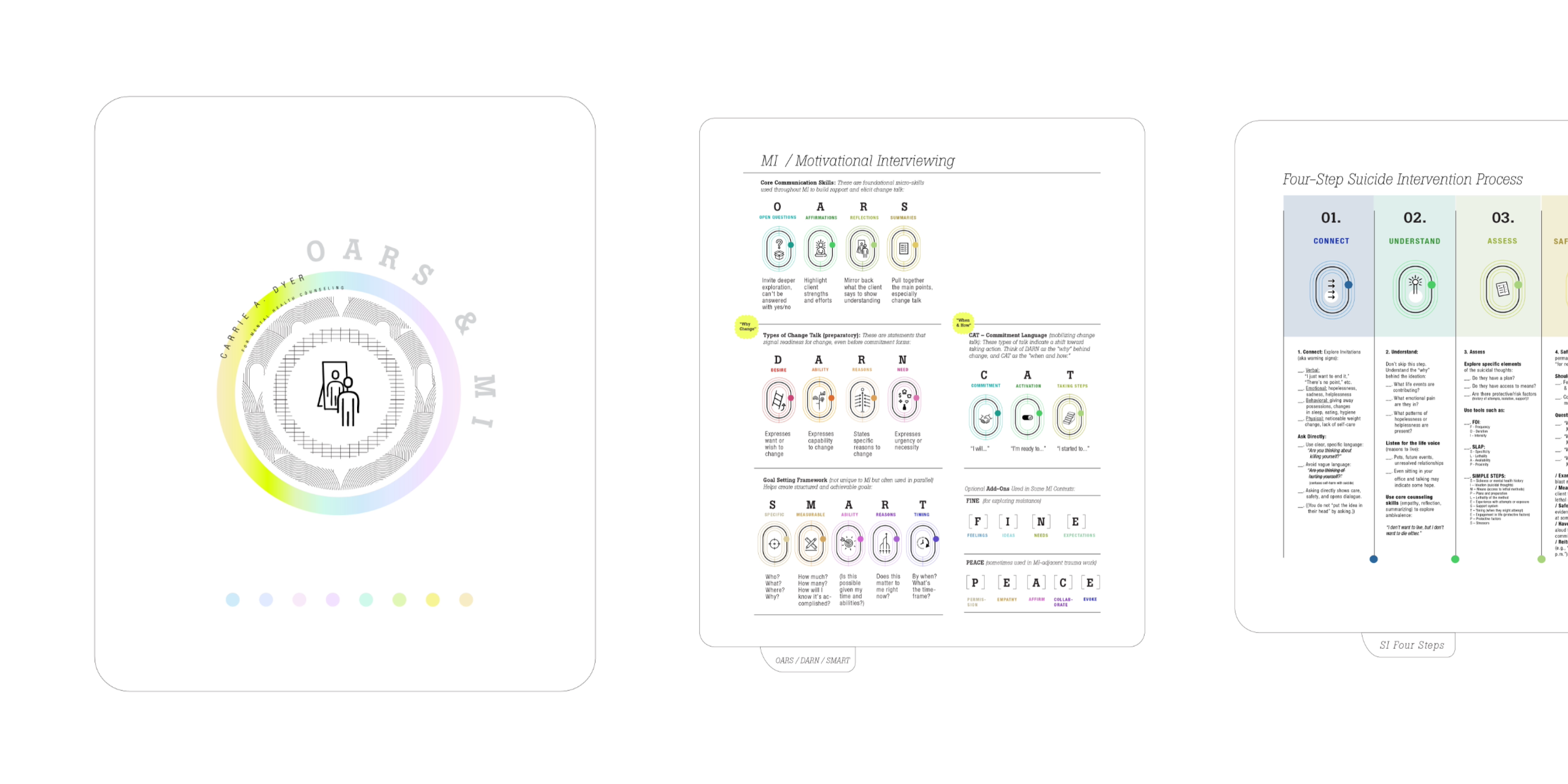
3 Motivational Interviewing and OARS Framework — Client-centered communication supporting reflection, motivation, and meaningful change.
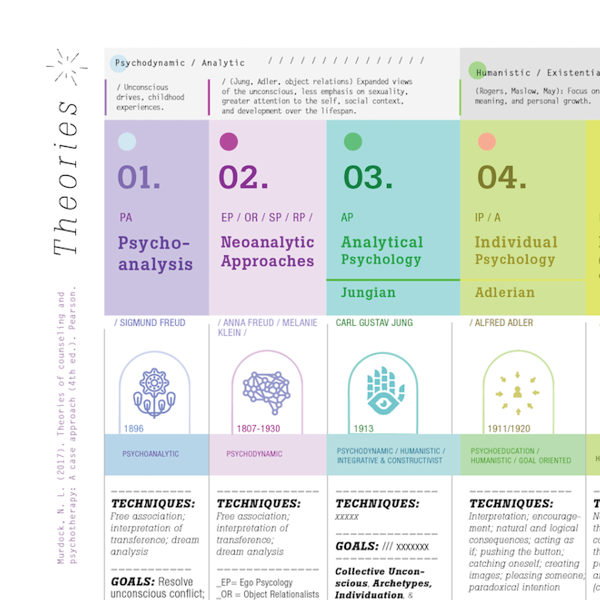
4 Counseling Theories Integration Diagram — A developing framework for integrating counseling theories into a cohesive clinical lens.
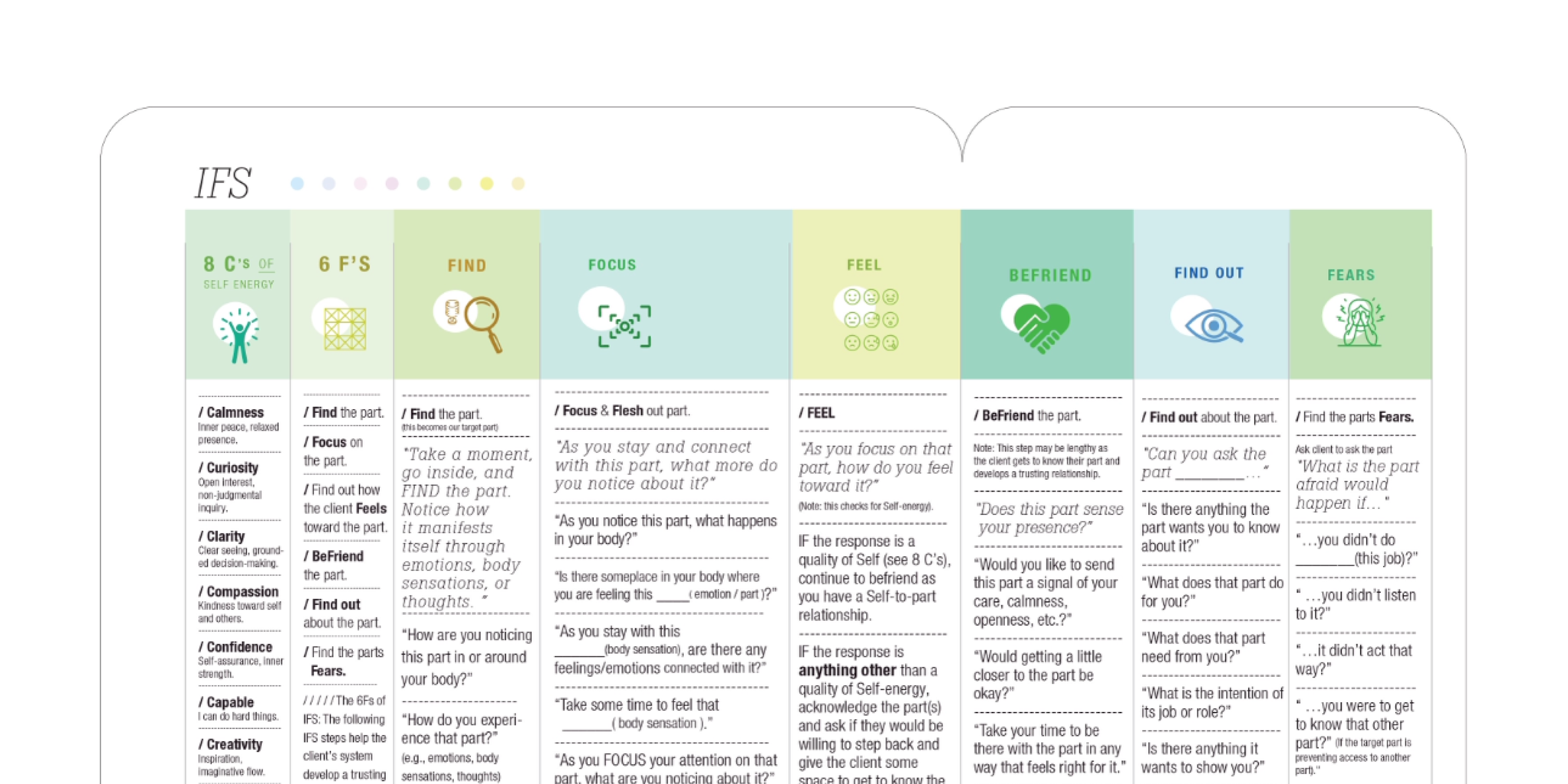
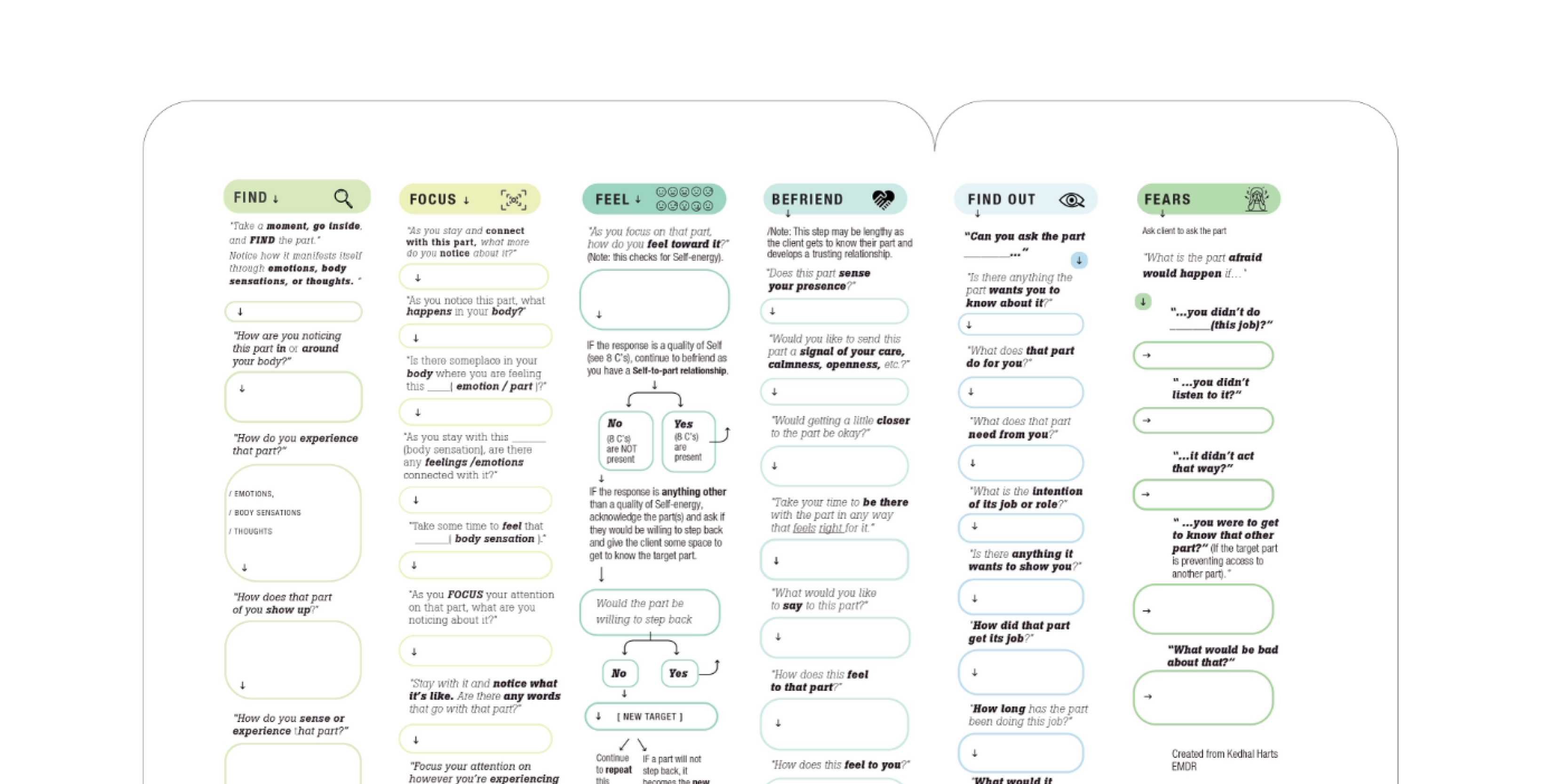
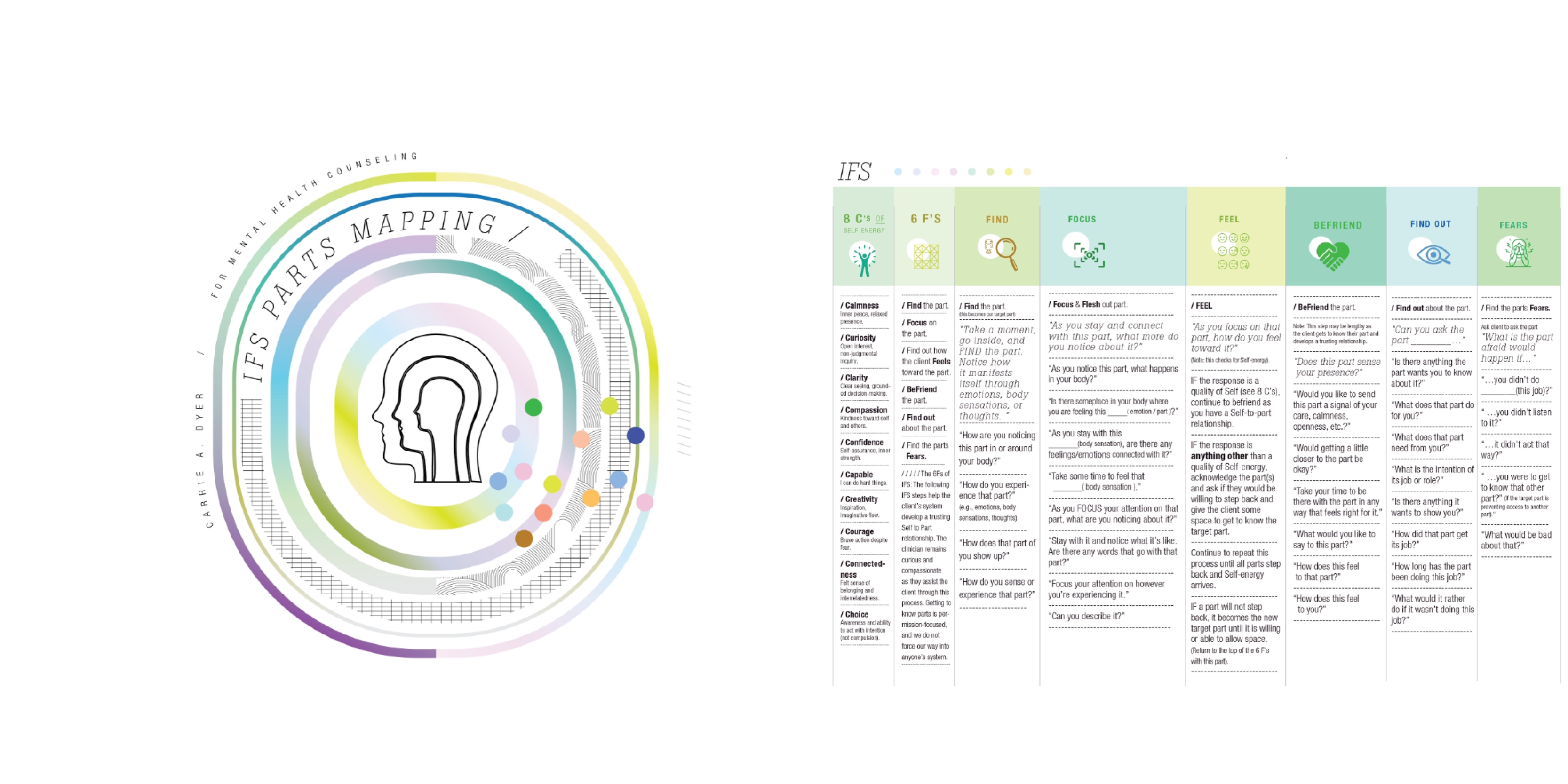
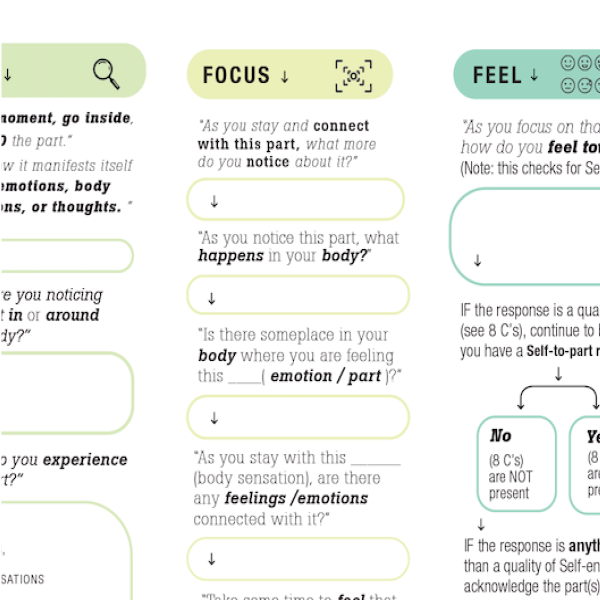
5 Internal Family Systems (IFS) Parts Map — A parts-based way of understanding the inner world with clarity and compassion.
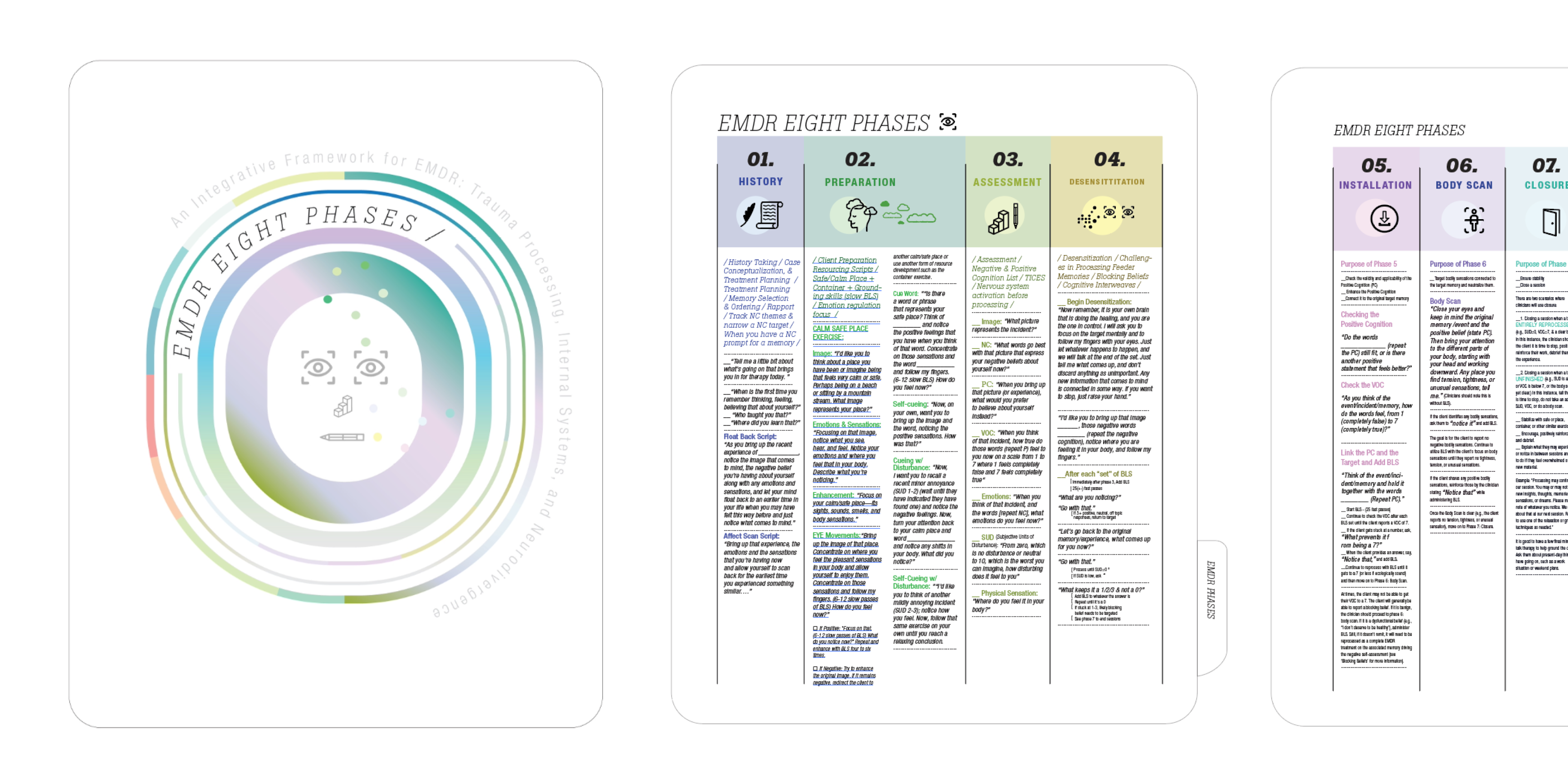
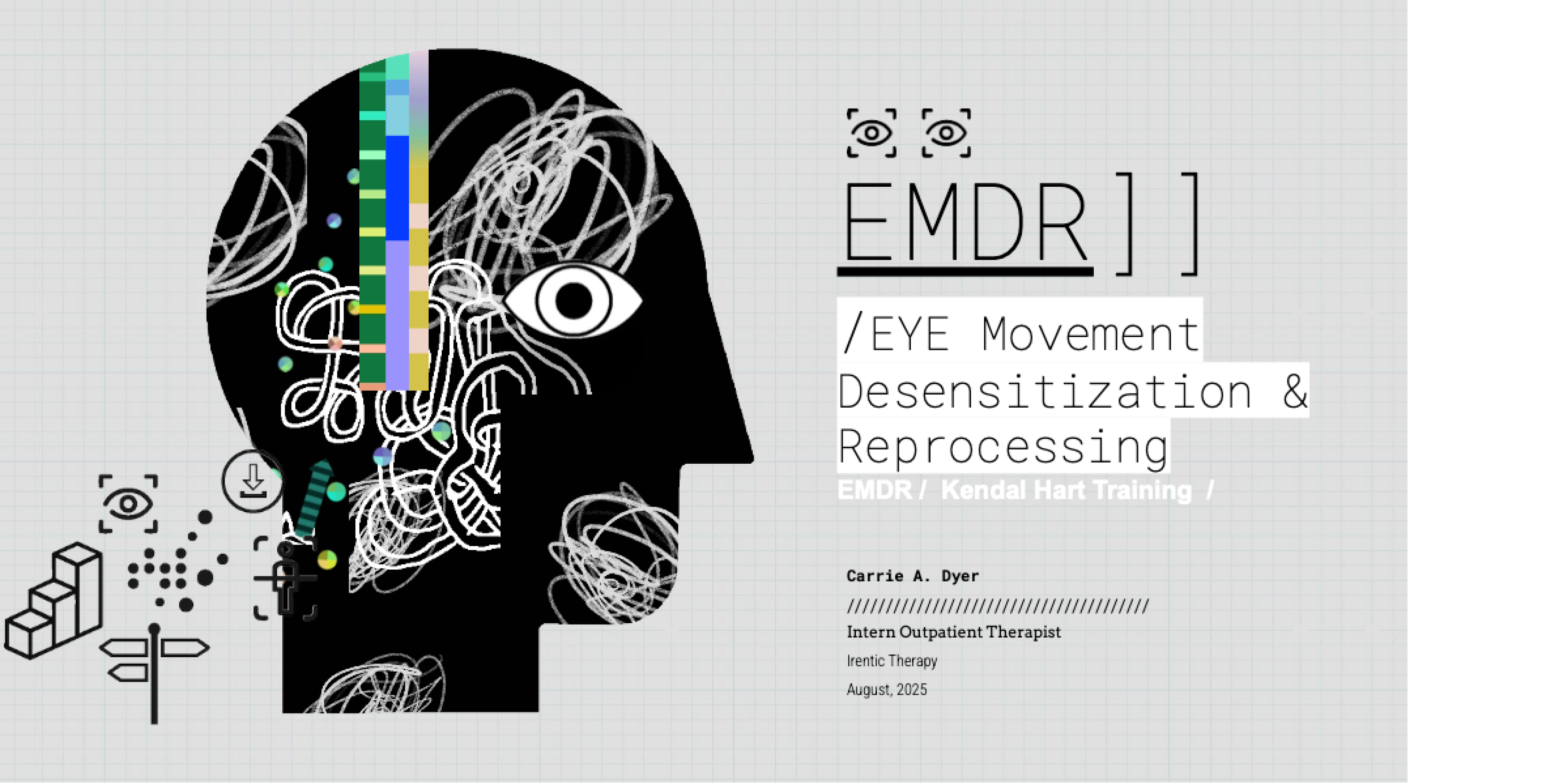
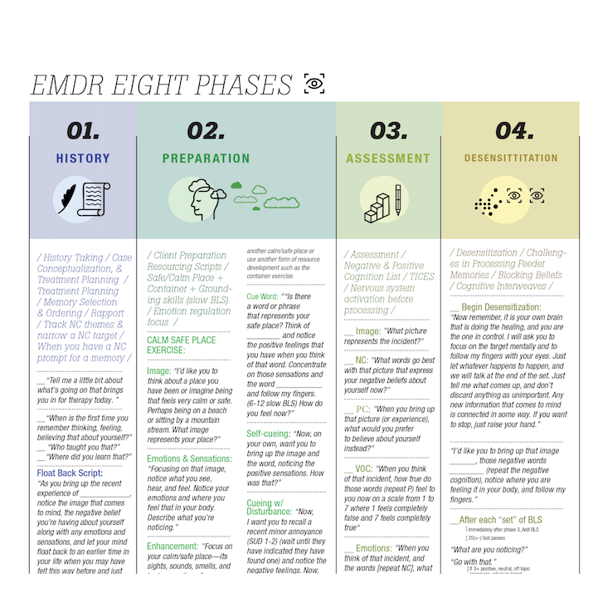
6 EMDR Trauma Processing Diagram — A visual pathway for understanding trauma processing and healing.
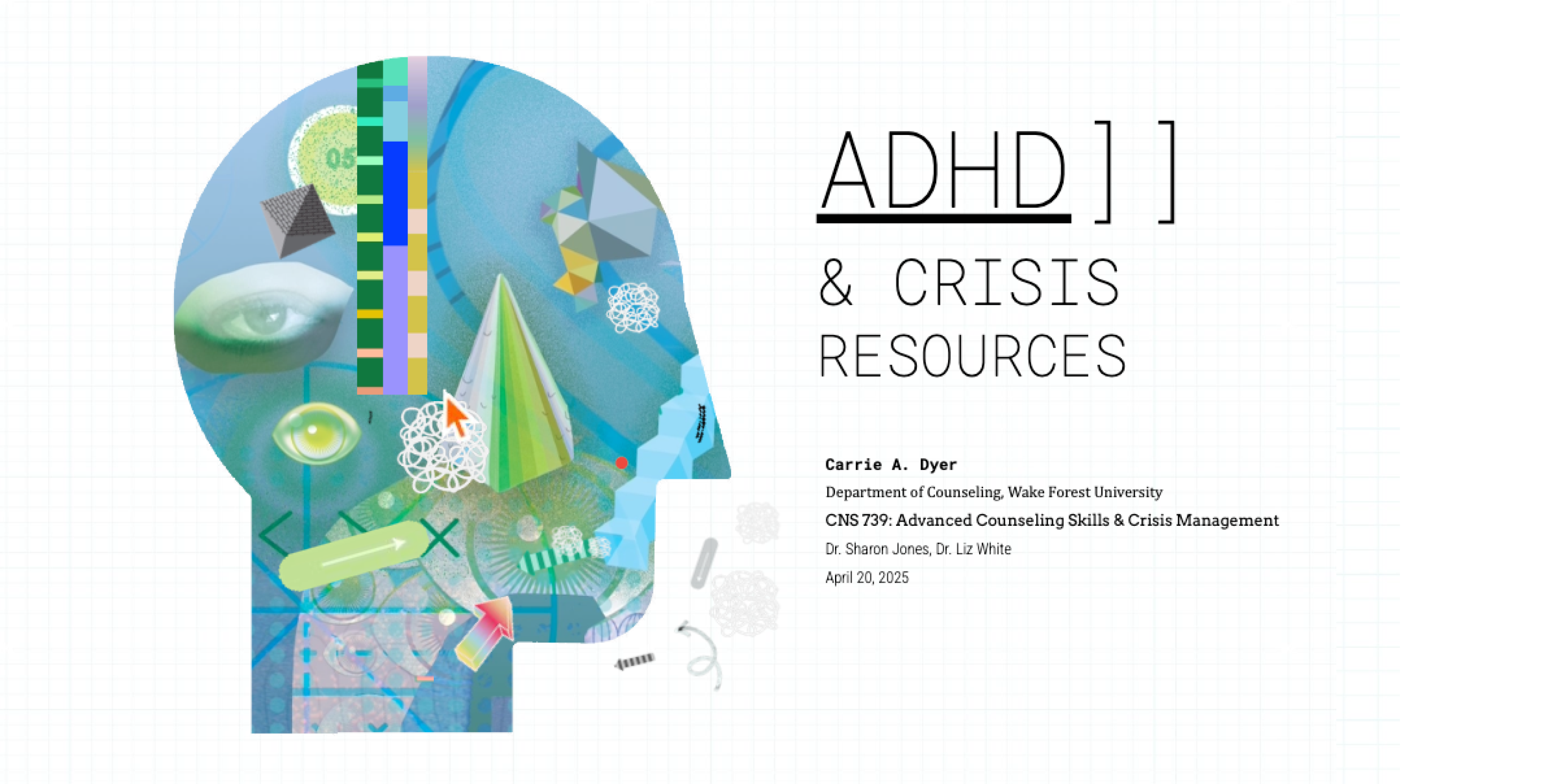
7 ADHD Crisis Resources Presentation — Psychoeducation increasing awareness of crisis resources and reducing barriers to support.

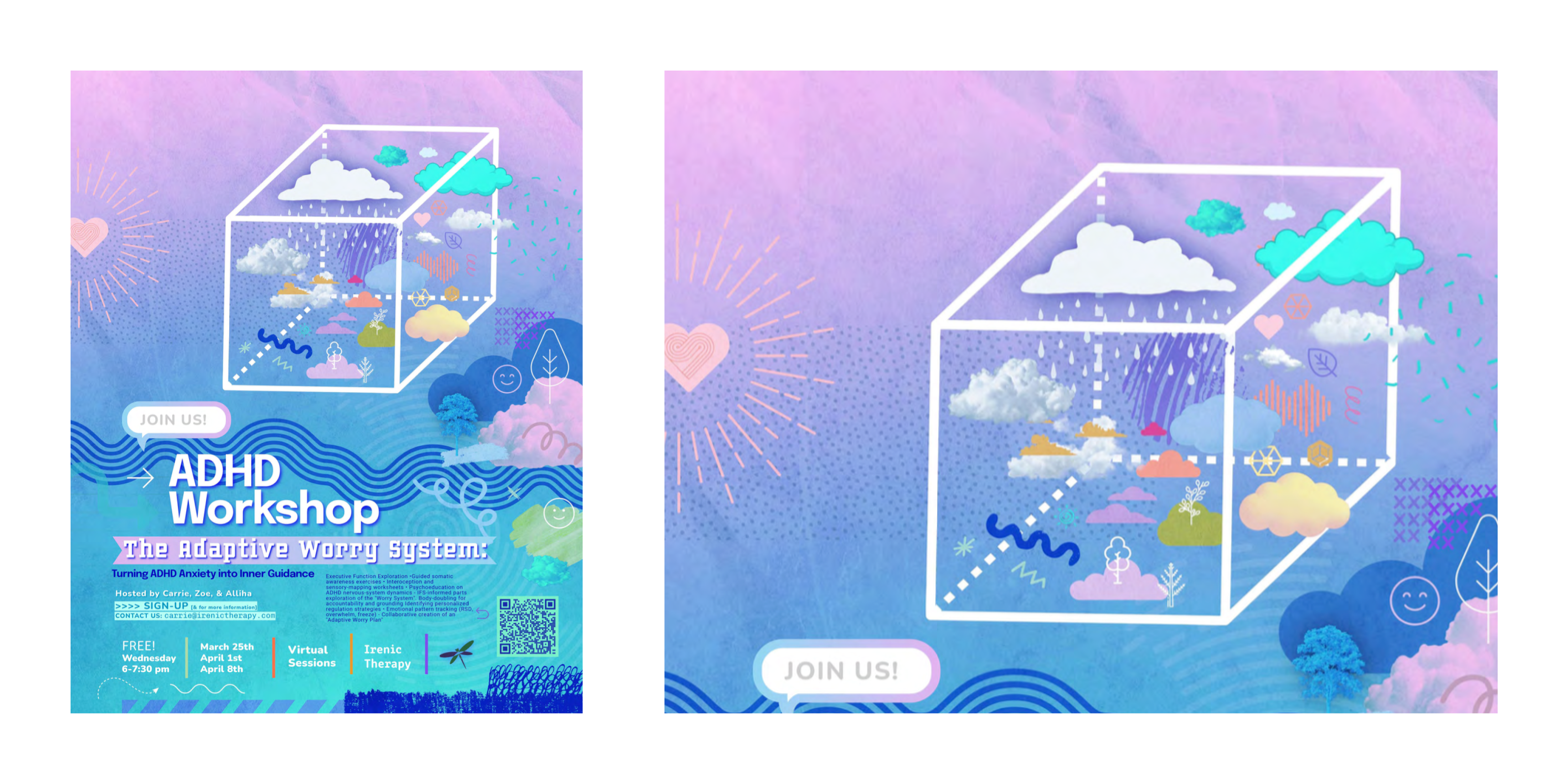
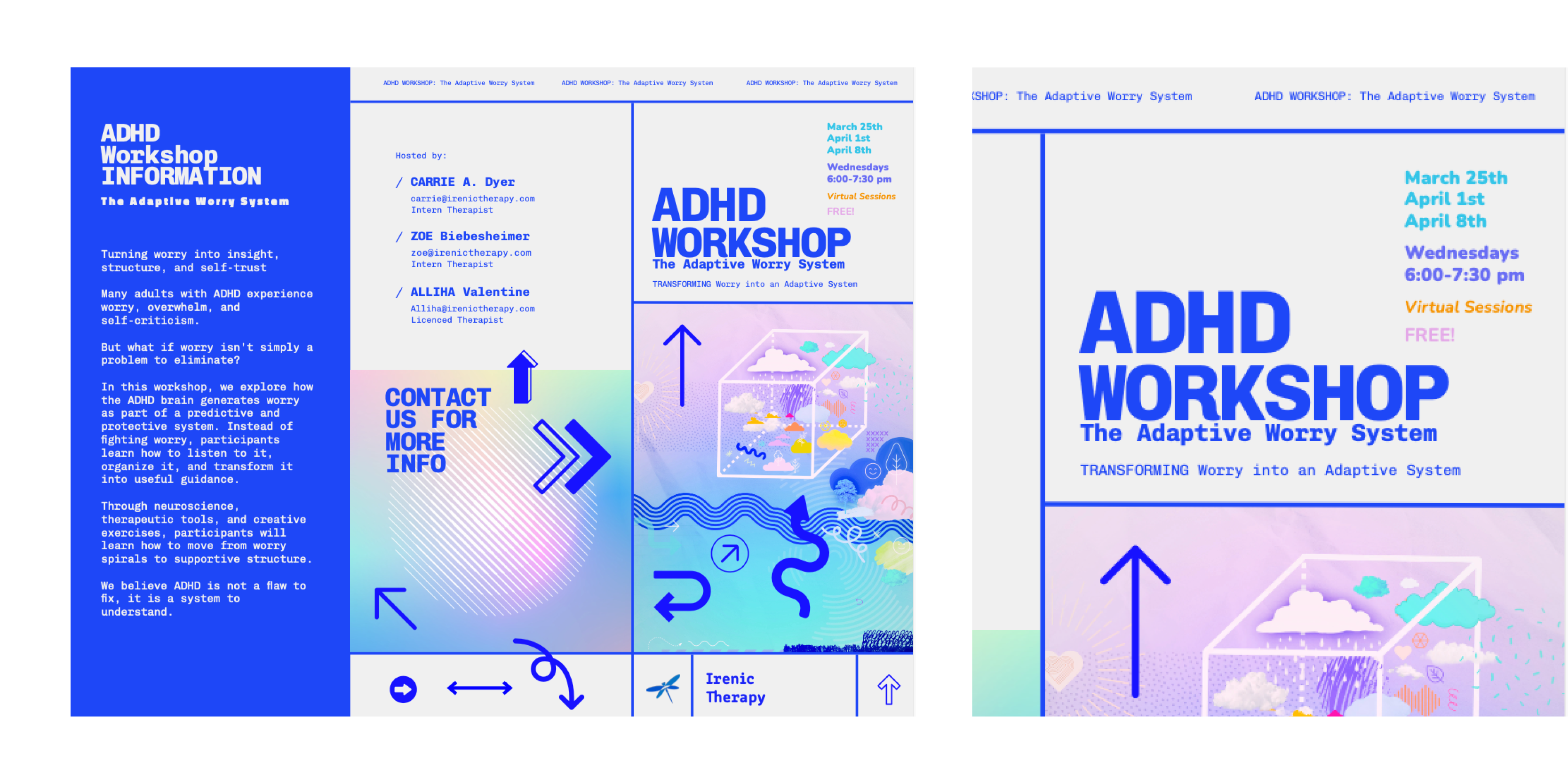
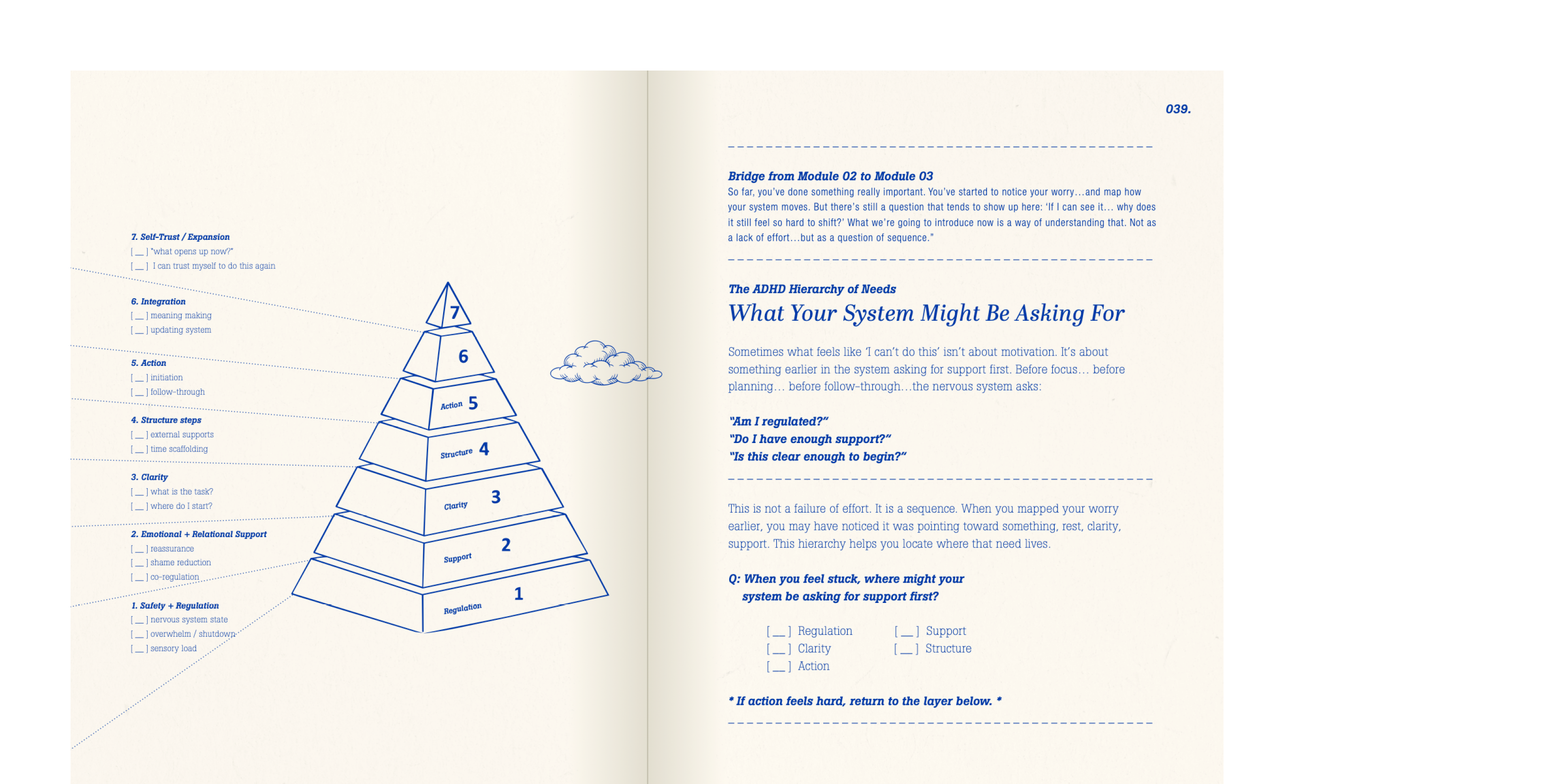
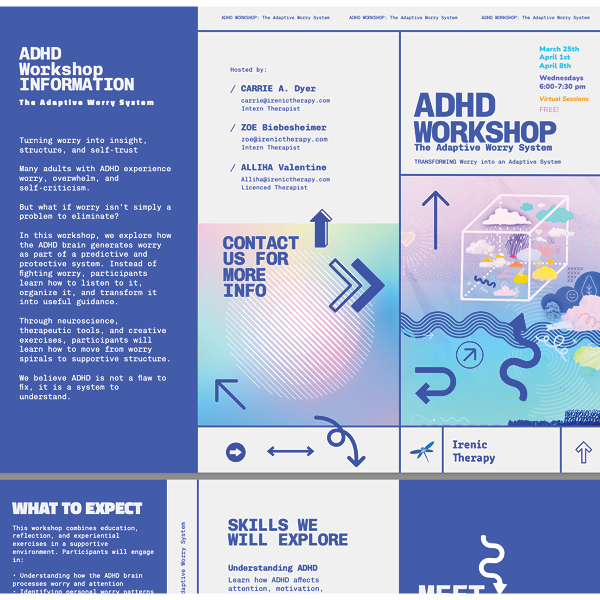
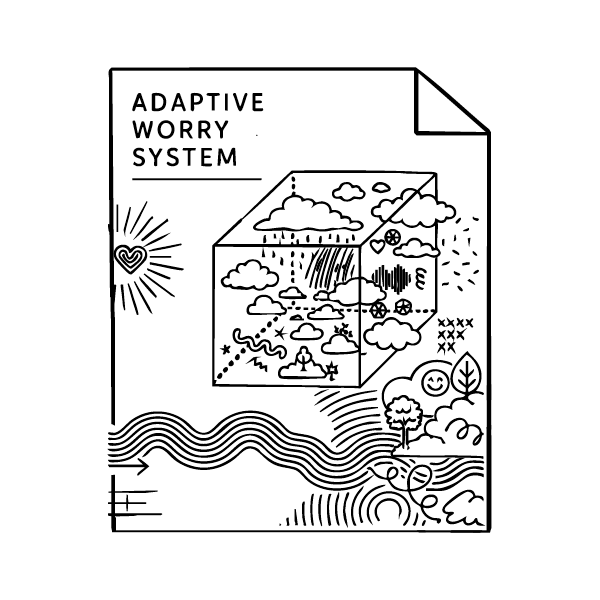
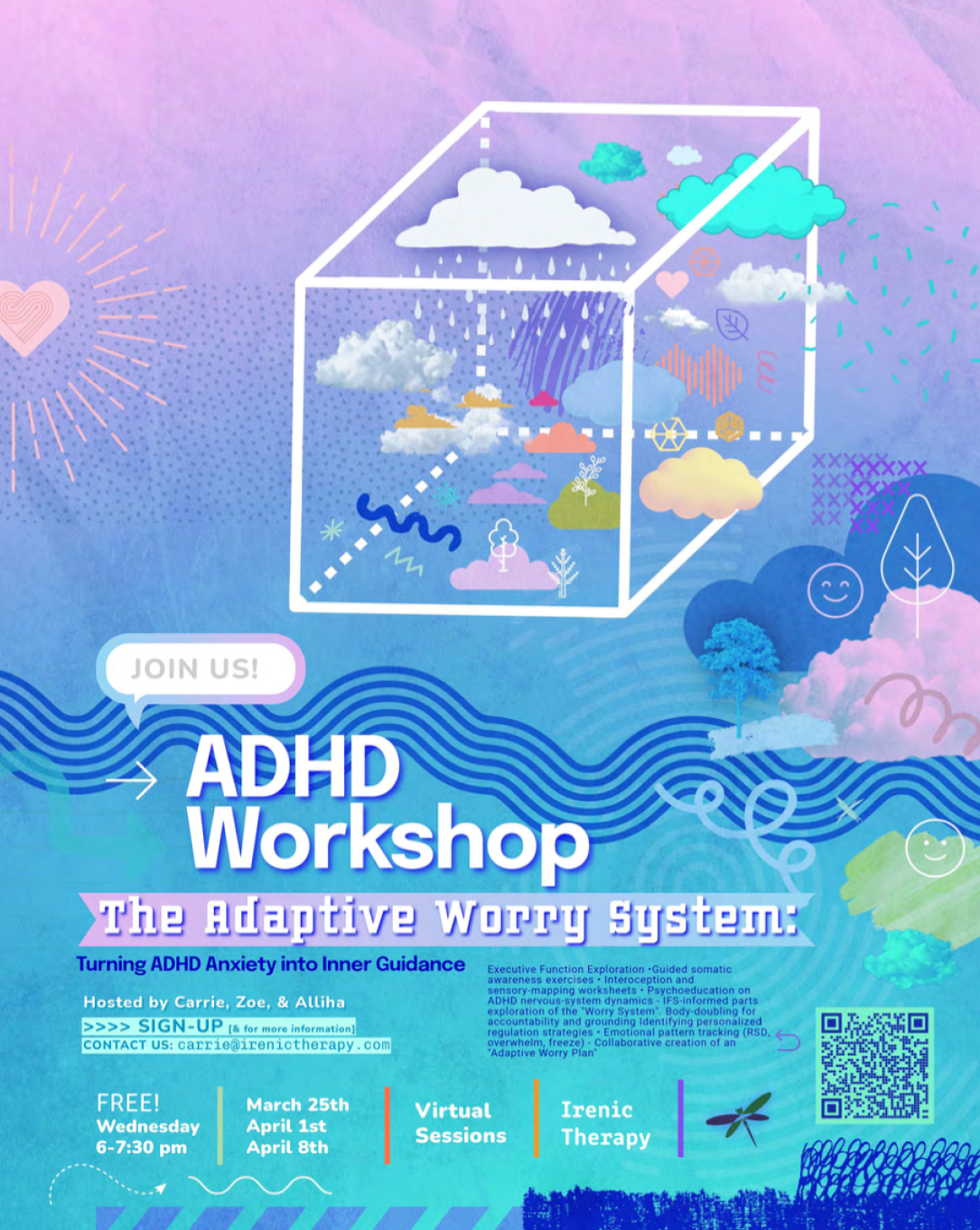
8 ADHD Worry System Workshop — A prevention-focused workshop reframing worry as an adaptive signal with practical tools for support.

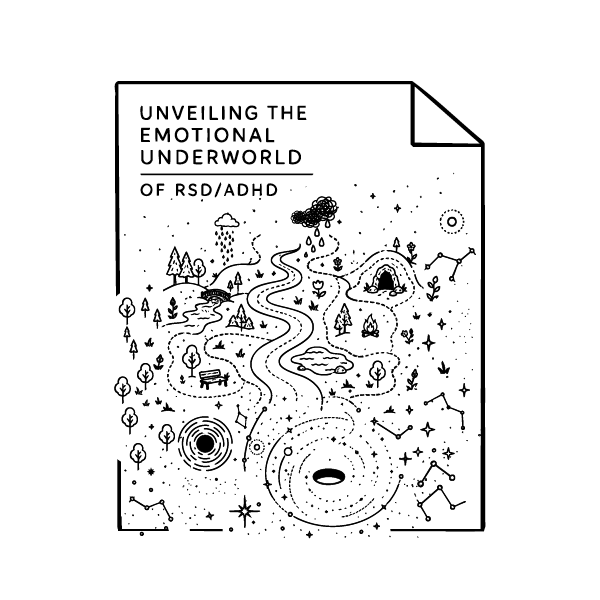
9 RSD Psychoeducational Brochure — Translating research on emotional sensitivity into accessible, validating language.
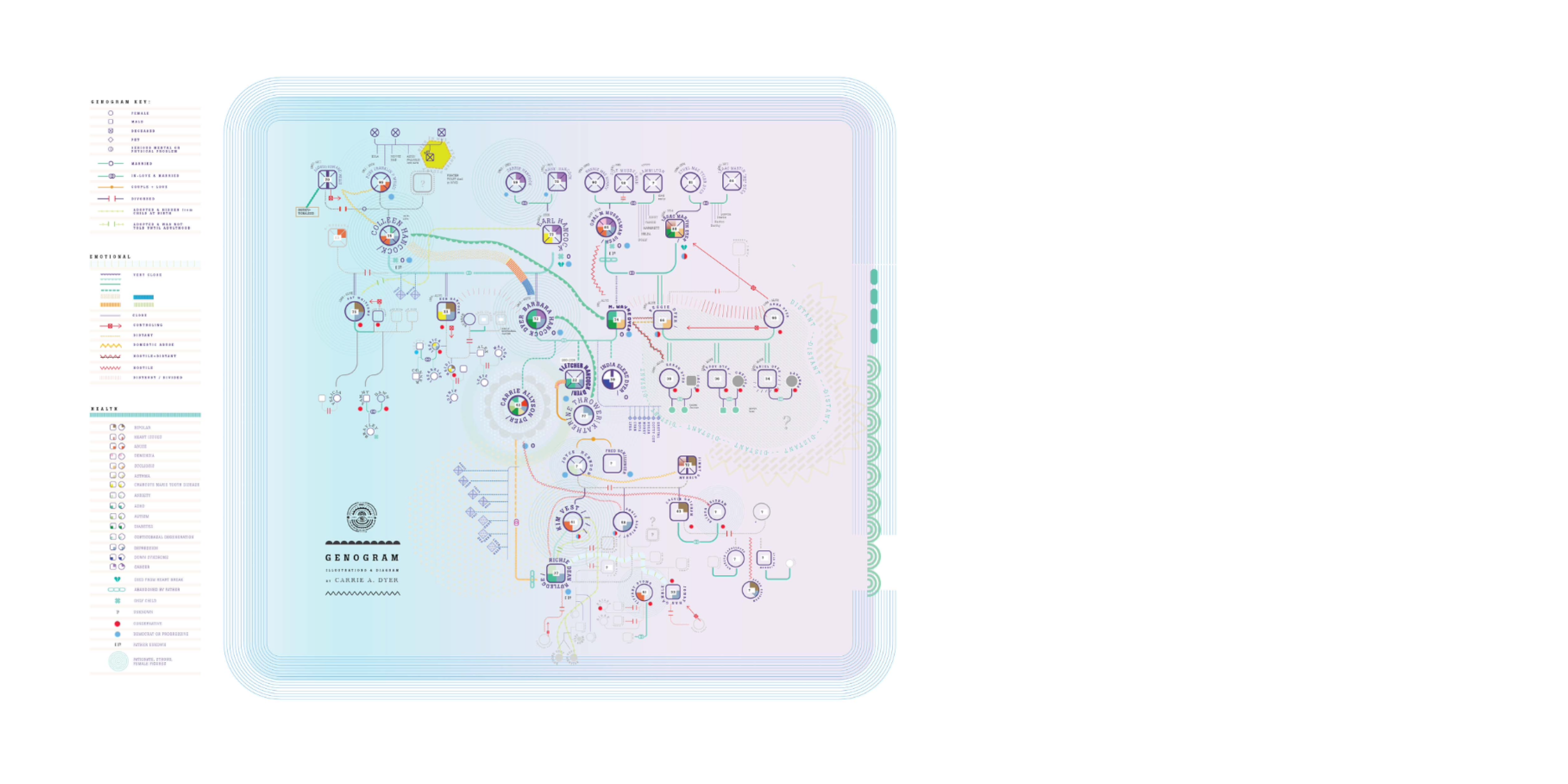
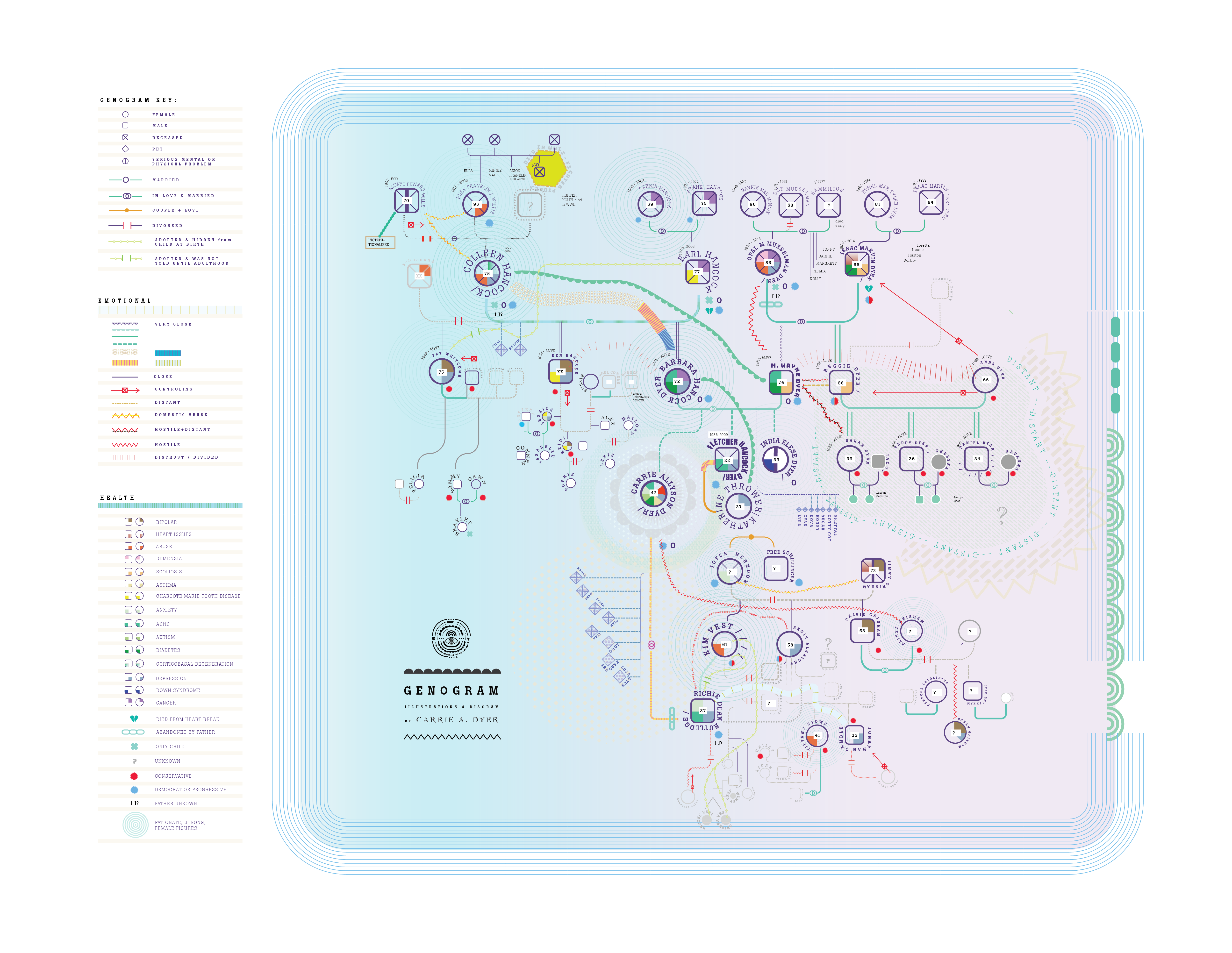
10 Family Systems Genogram — Exploring intergenerational patterns and their influence on perception and care.
11 Map of Closeness Diagram — Reflecting on attachment, boundaries, and relational proximity.
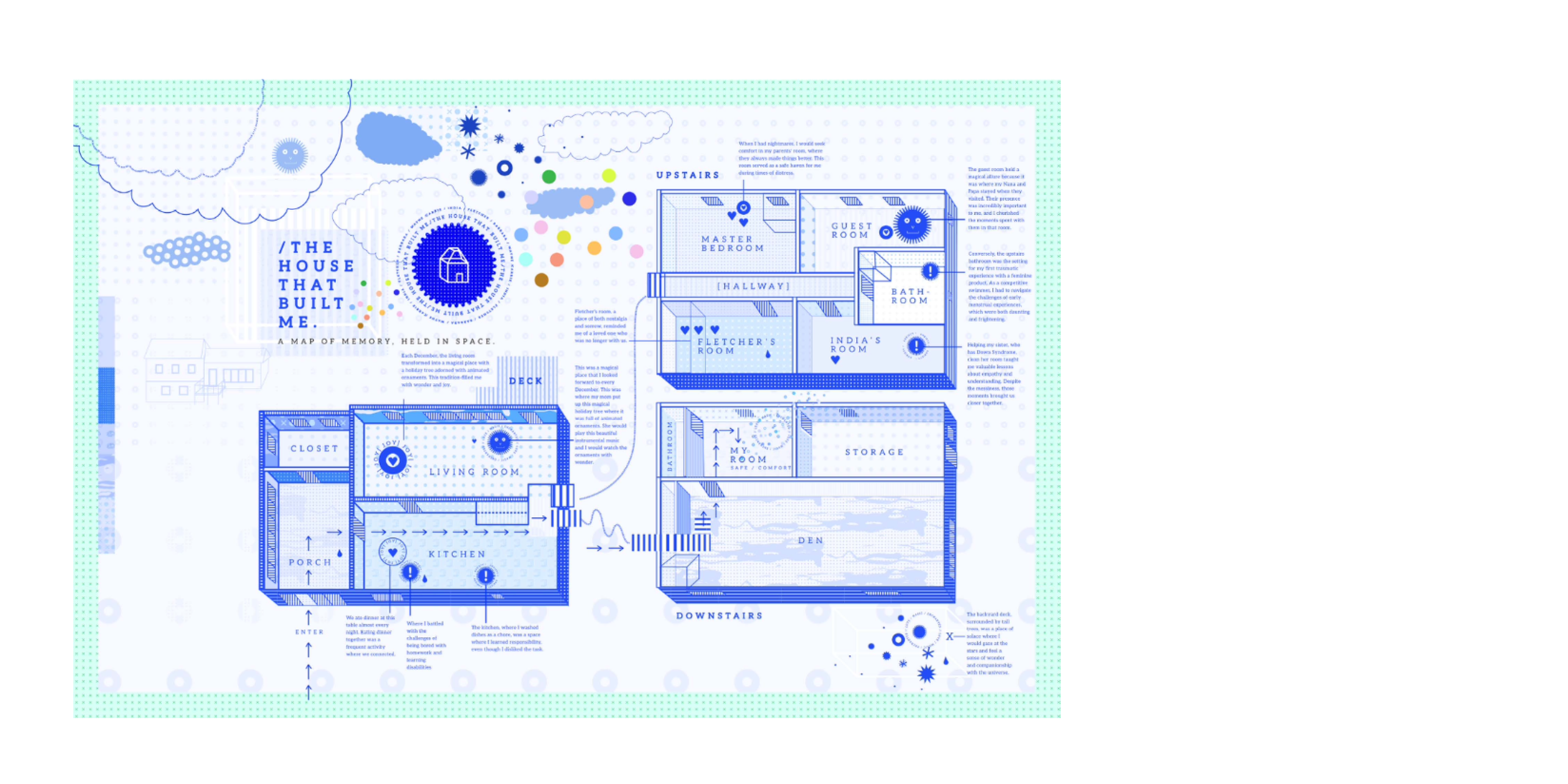
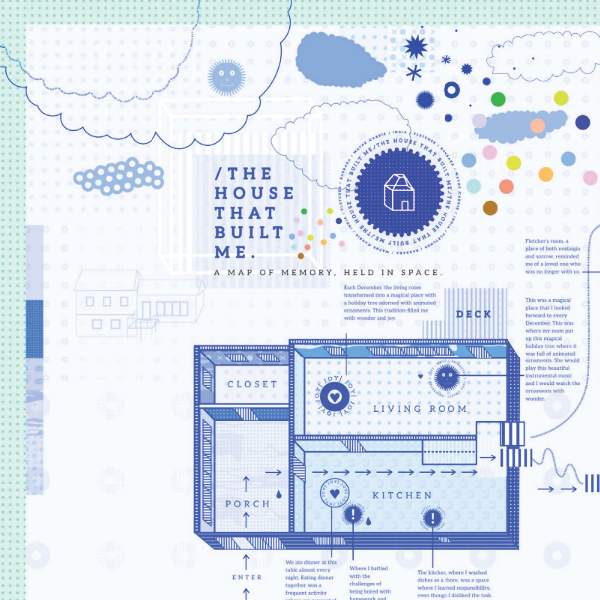
12 “The House That Built Me” Diagram — A reflection on formative environments and their impact on identity and presence.
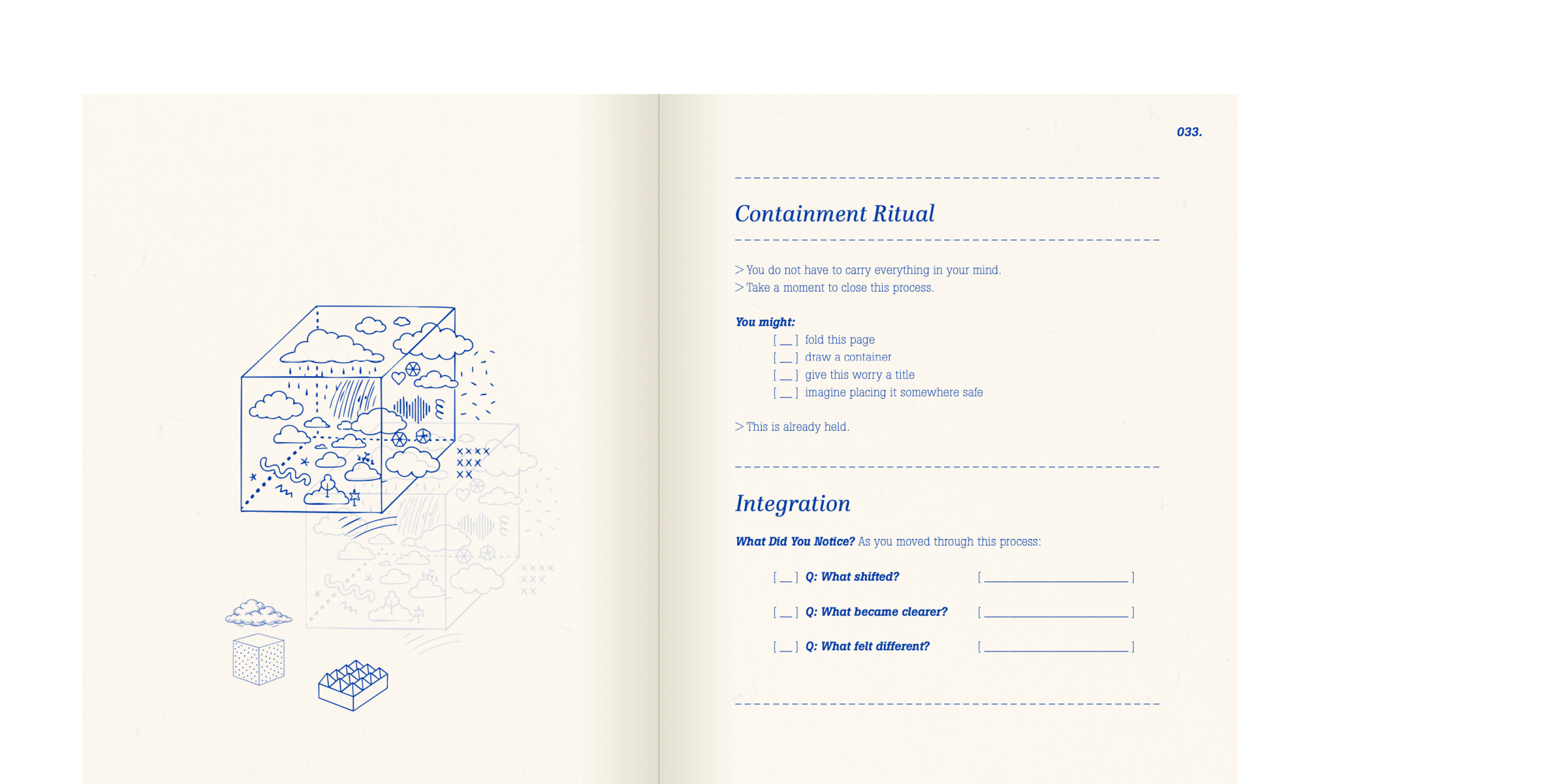
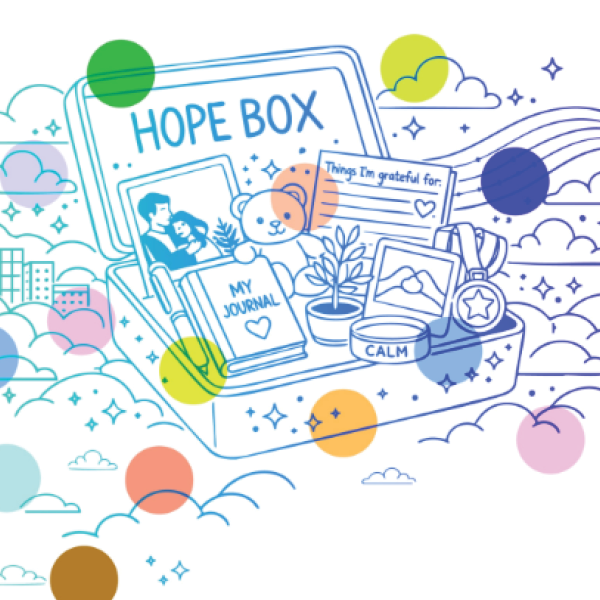
13 Hope Box Therapeutic Toolkit — Tools for grounding, regulation, and restoring a sense of safety in moments of distress.
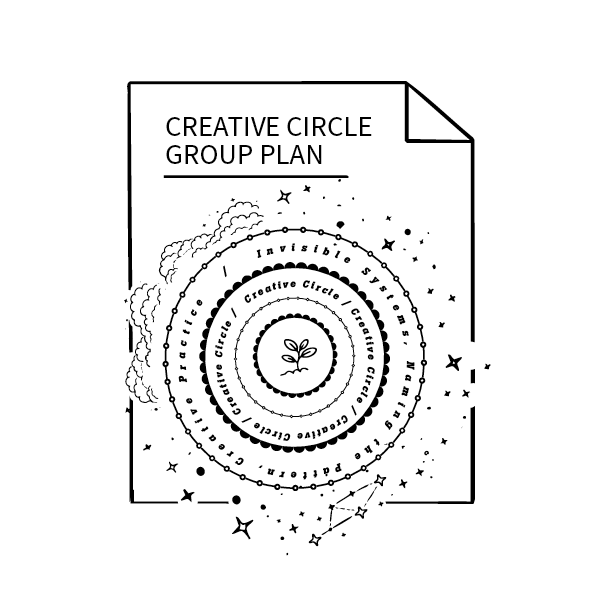
14 Creative Circle Expressive Arts Group Plan — Creative group spaces supporting connection, exploration, and shared experience.
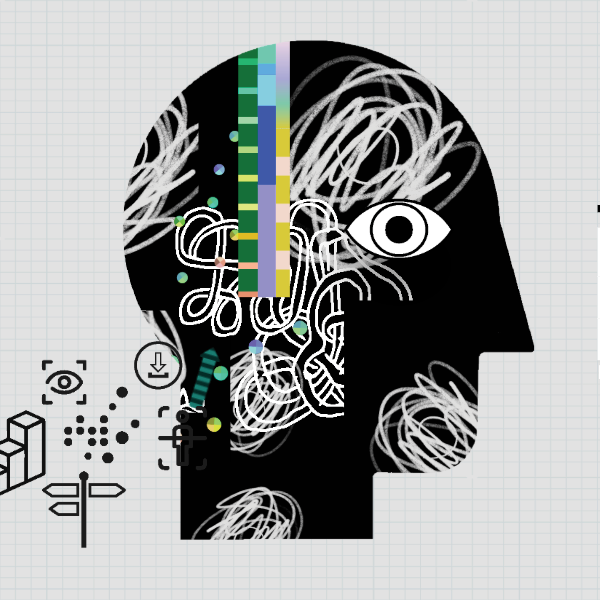
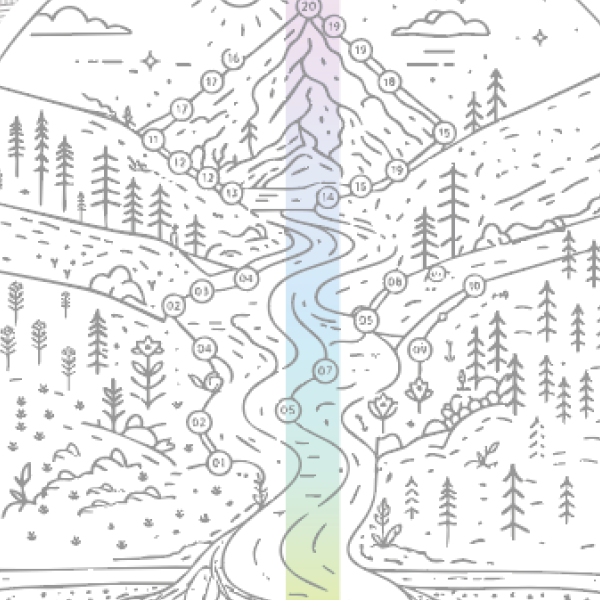
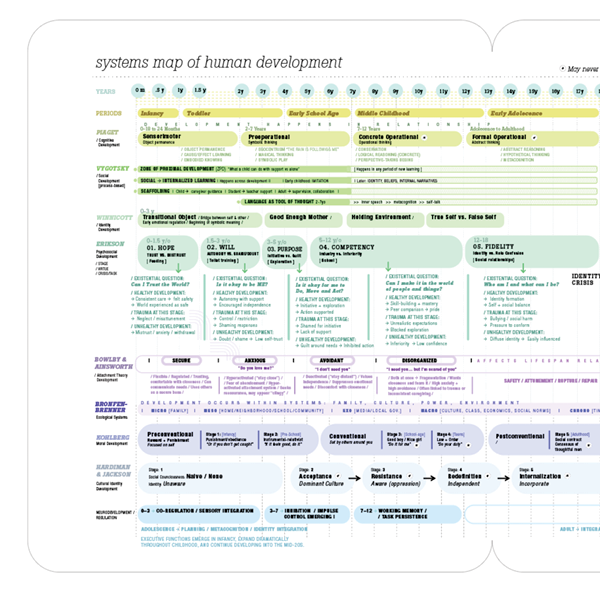
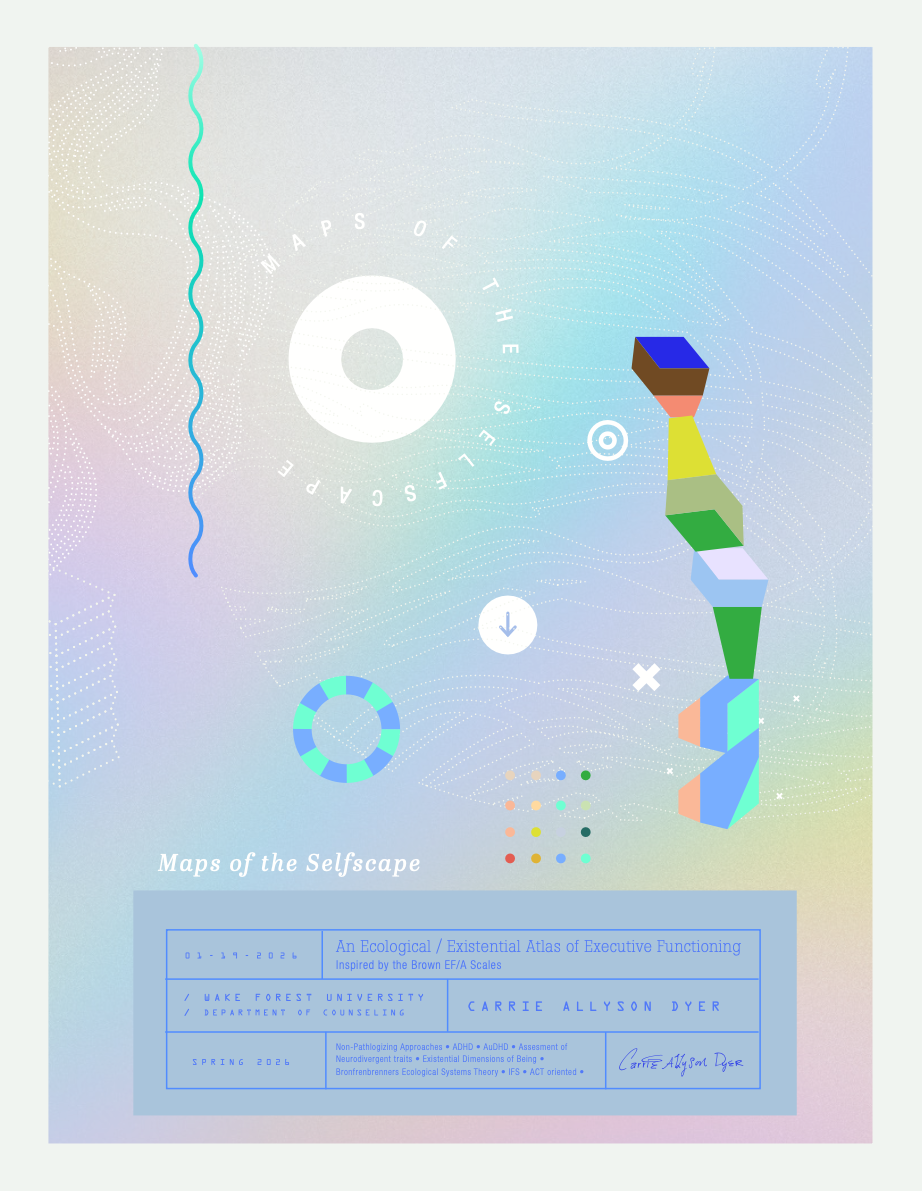
15 Maps of the Self-Scape Framework — A visual map of the inner landscape, supporting insight, navigation, and self-understanding.
Demonstrates the integration of counseling knowledge, visual communication, and experiential design to create accessible therapeutic tools that support reflection, emotional regulation, meaning-making, and client growth.
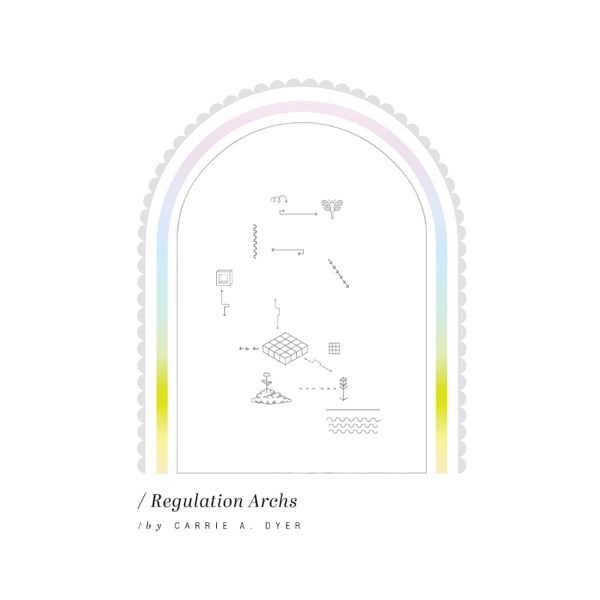
16 Regulation Arches — A somatic and sensory-based framework for supporting emotional regulation, present-moment awareness, and nervous system stabilization.
17 EMDR Presentation — A psychoeducational overview of EMDR, adaptive information processing, bilateral stimulation, and trauma-focused healing.
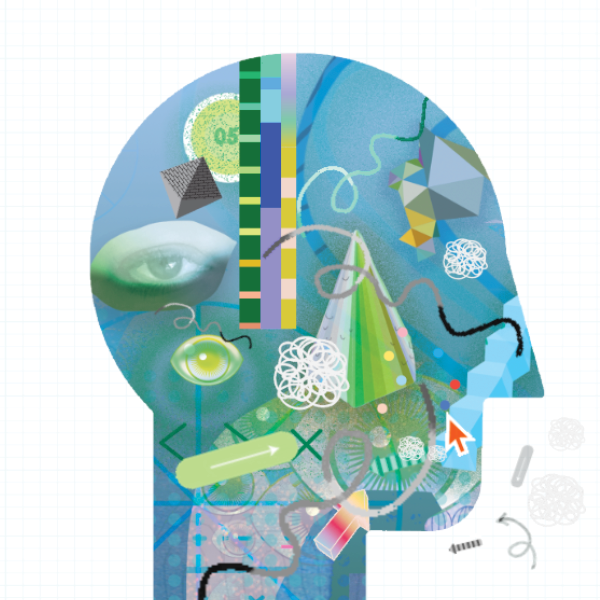
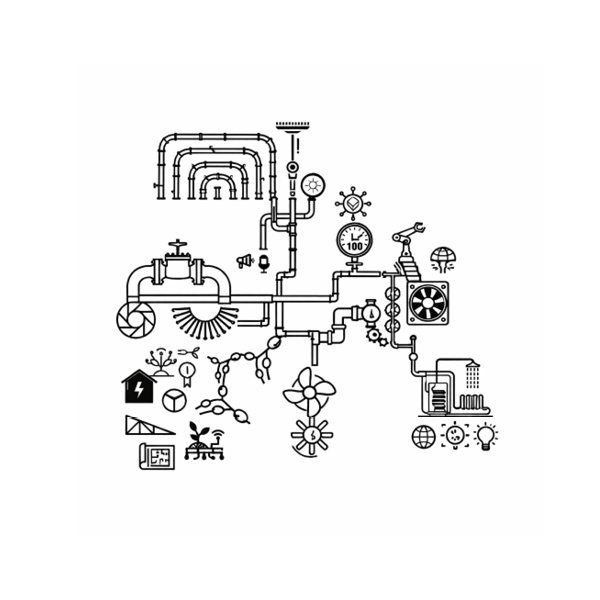
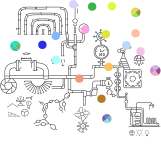
18 Anxiety Machine — A visual framework illustrating the reinforcing cycles of anxiety, avoidance, protection, and regulation.
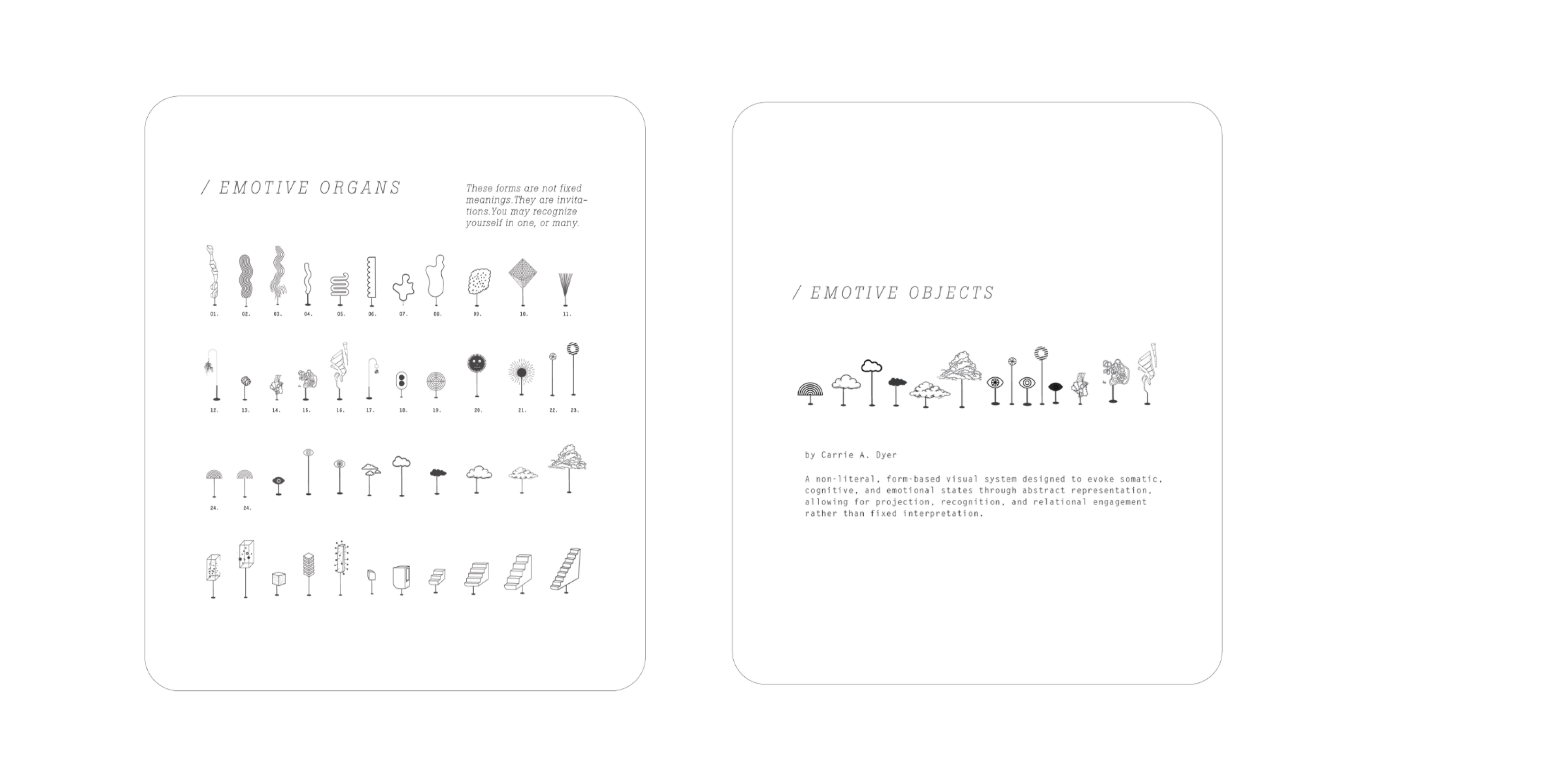
19 Emotive Organs — A creative intervention using symbolic objects to externalize internal experiences and support emotional expression.
20 RSD / ADHD Literature Review — A research synthesis translating rejection sensitivity, emotional regulation, ADHD, and trauma into accessible clinical language.
21 The Adaptive Worry System Group Plan Proposal — A psychoeducational workshop framework reframing worry as an adaptive internal signal.
22 The Loss Landscape — A grief-centered visual framework exploring memory, identity, meaning-making, and continuing bonds.
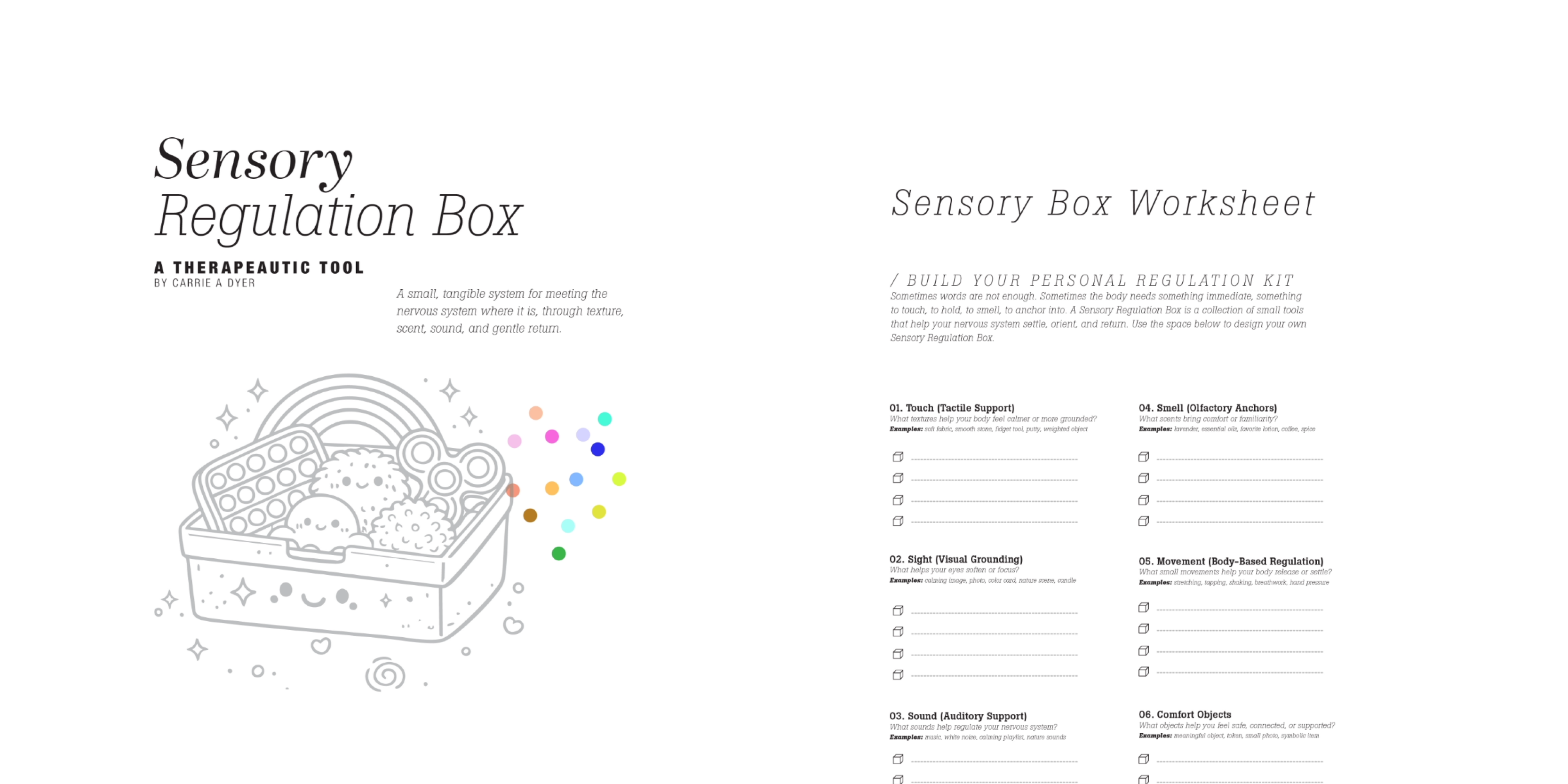
23 Sensory Regulation Box — A sensory-based therapeutic intervention using touch, sound, scent, movement, and visual grounding to support regulation and embodied safety.
I approach therapeutic tools as systems, not static documents. Each artifact in this portfolio translates clinical theory into visual, structured, and usable forms, bridging psychology, design, and lived experience. My process typically moves through four layers: grounding in theory, translating into visual or conceptual frameworks, applying in clinical or psychoeducational contexts, and refining through reflection. Many pieces are interconnected, forming a larger ecosystem rather than standalone projects. A single concept may evolve into multiple formats—maps, worksheets, interventions, or group materials—depending on how it can best support understanding and use. Across my work, I aim to make the internal world more visible, support regulation and self-connection, and hold complexity in ways that feel accessible and human.
I create therapeutic tools that translate complex inner experiences into forms that can be seen, understood, and used. My work includes client worksheets, Hope Box pages, parts-based maps, grounding tools, and emotional regulation visuals, along with frameworks that explore executive functioning and ADHD. I also design workshop handouts and psychoeducational materials that support both clinical work and learning environments, bridging insight with practical application.
I can help translate therapeutic ideas into visuals that are easier to teach, easier to remember, and easier for clients to return to outside the therapy room. My work supports therapists, educators, and organizations who want materials that feel both clinically grounded and genuinely human. Whether you need a single handout or a more cohesive visual system, I design tools that can be integrated into sessions, workshops, and ongoing client work. At its core, this work is about creating clarity without losing depth—offering resources that support understanding, regulation, and meaningful engagement over time.
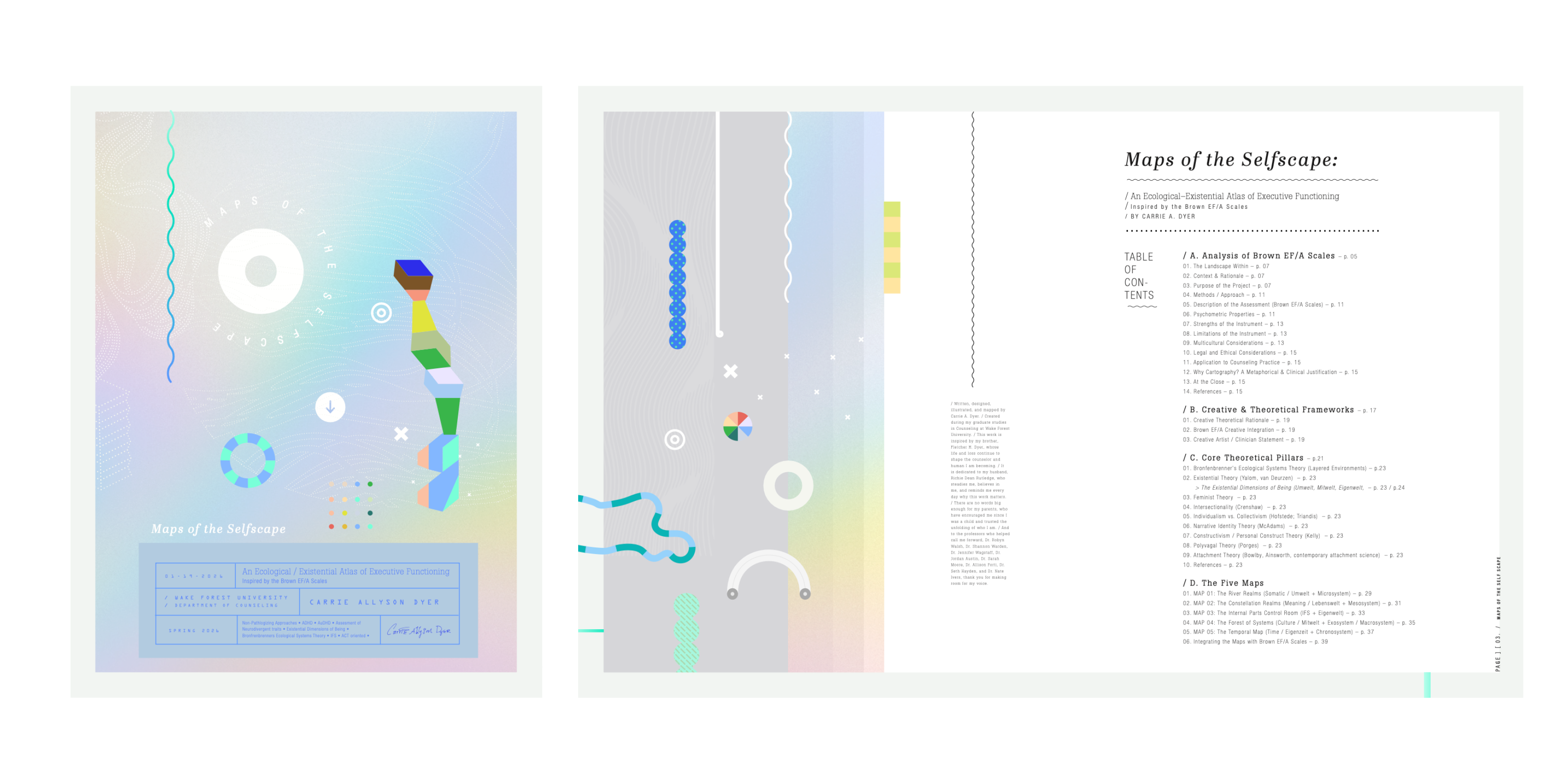
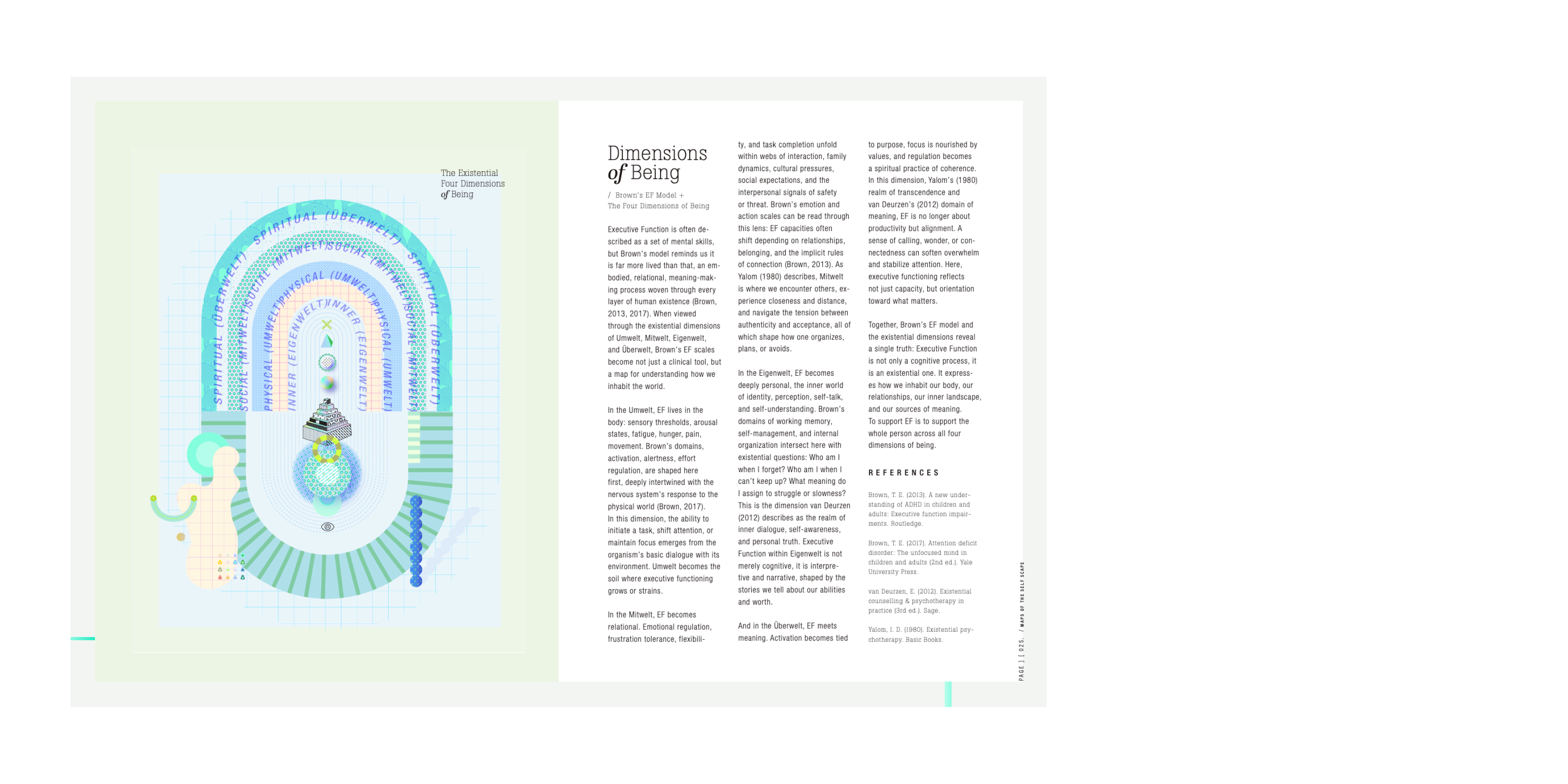
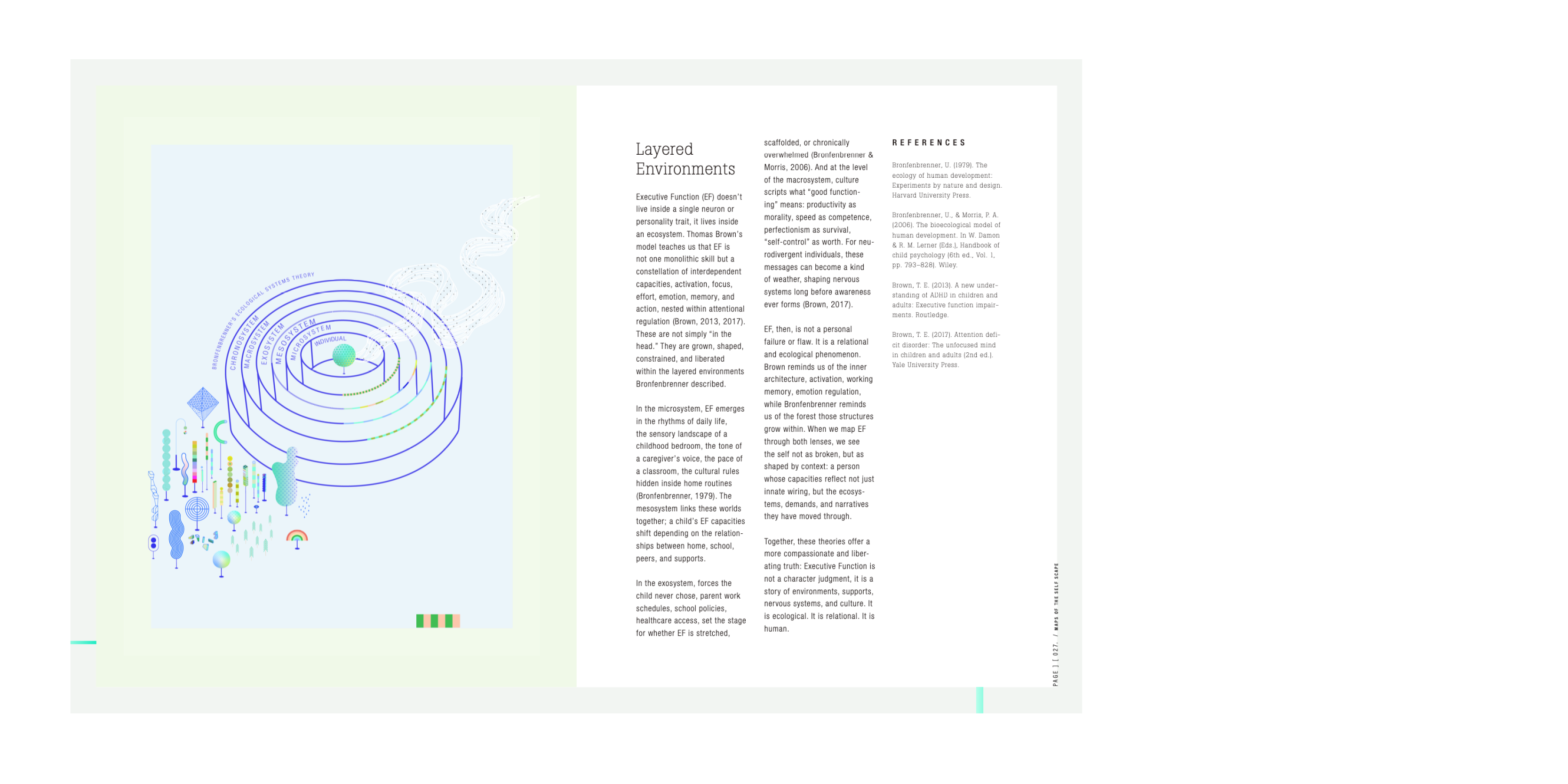
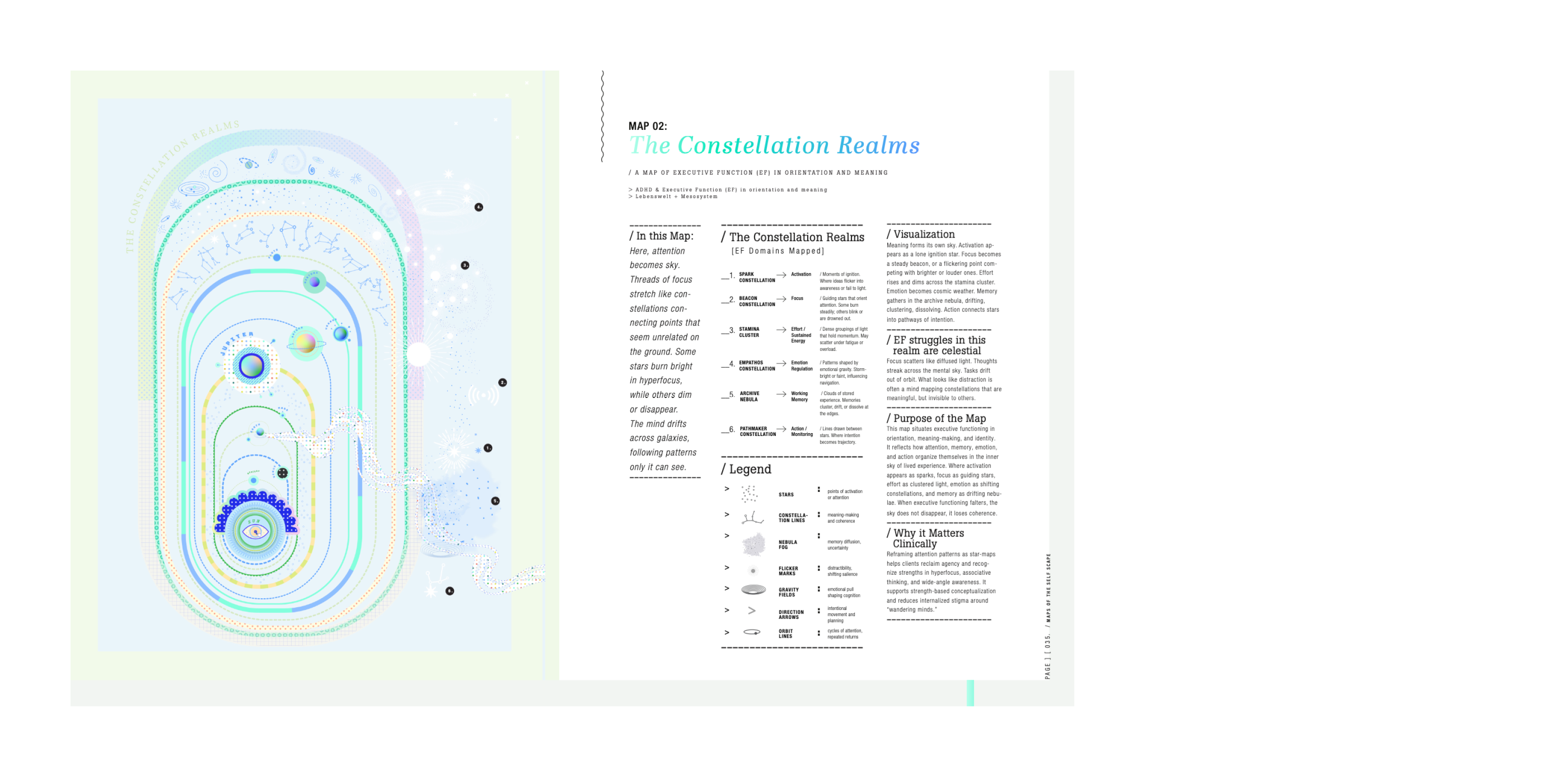
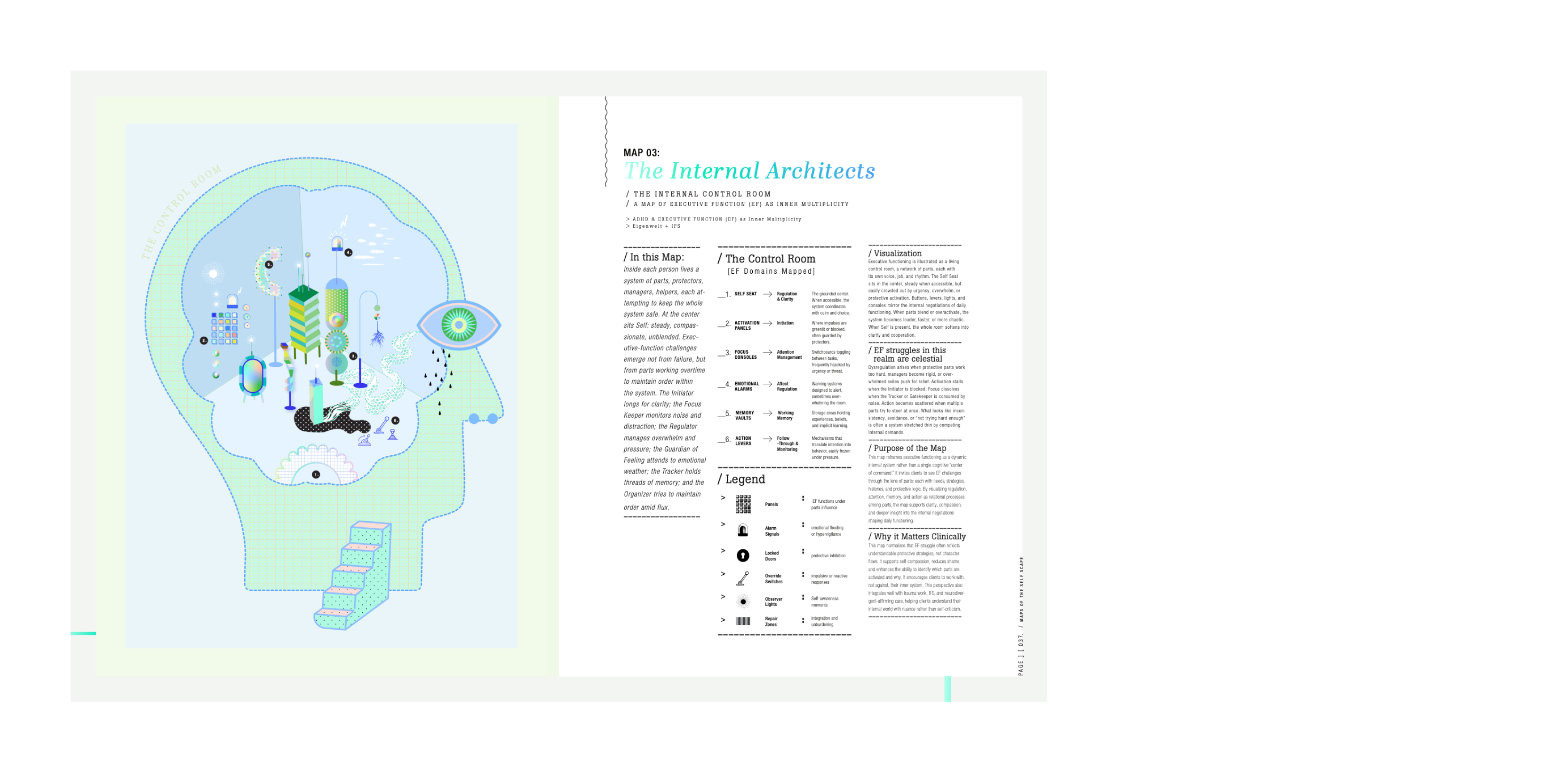
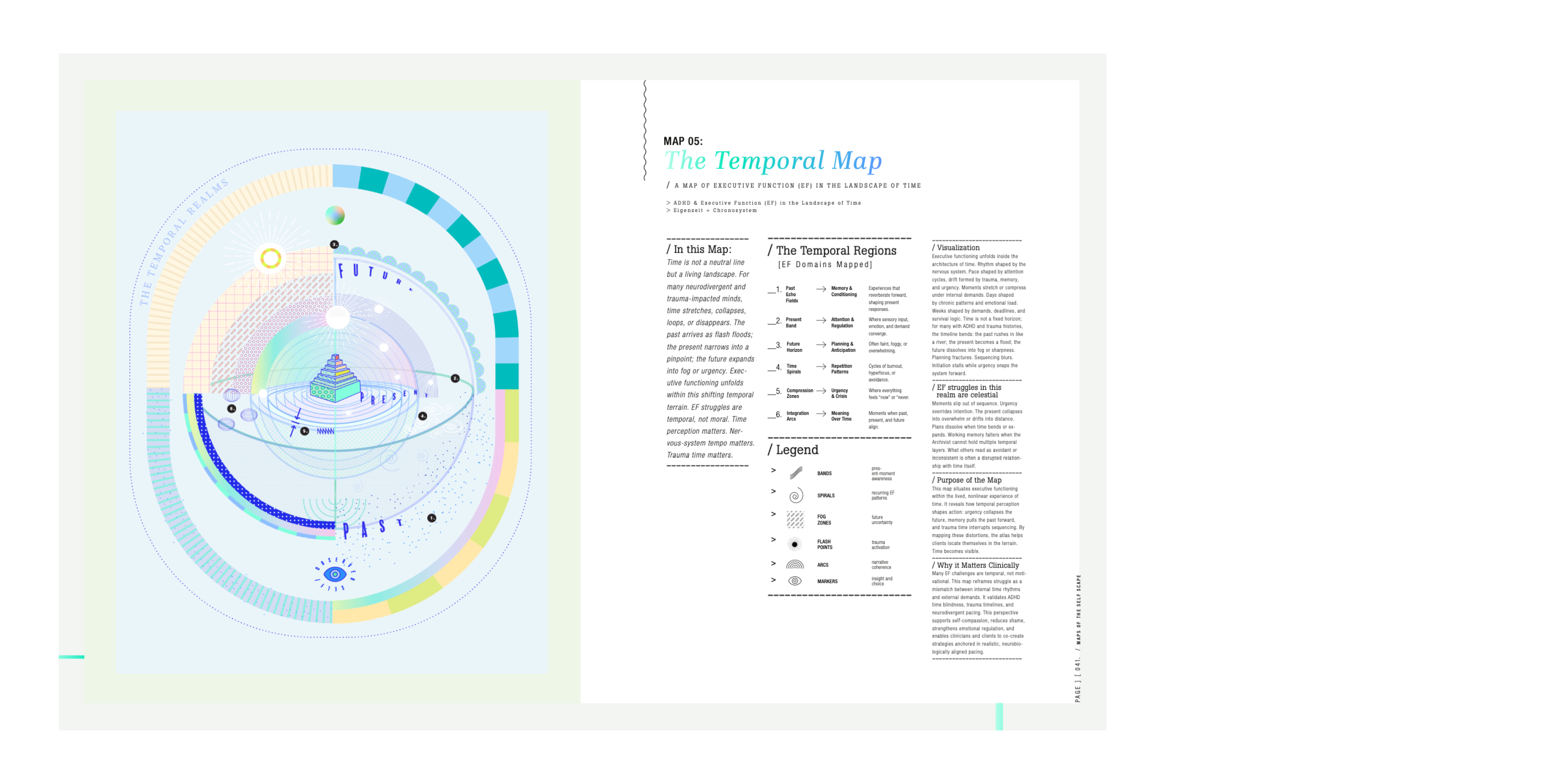
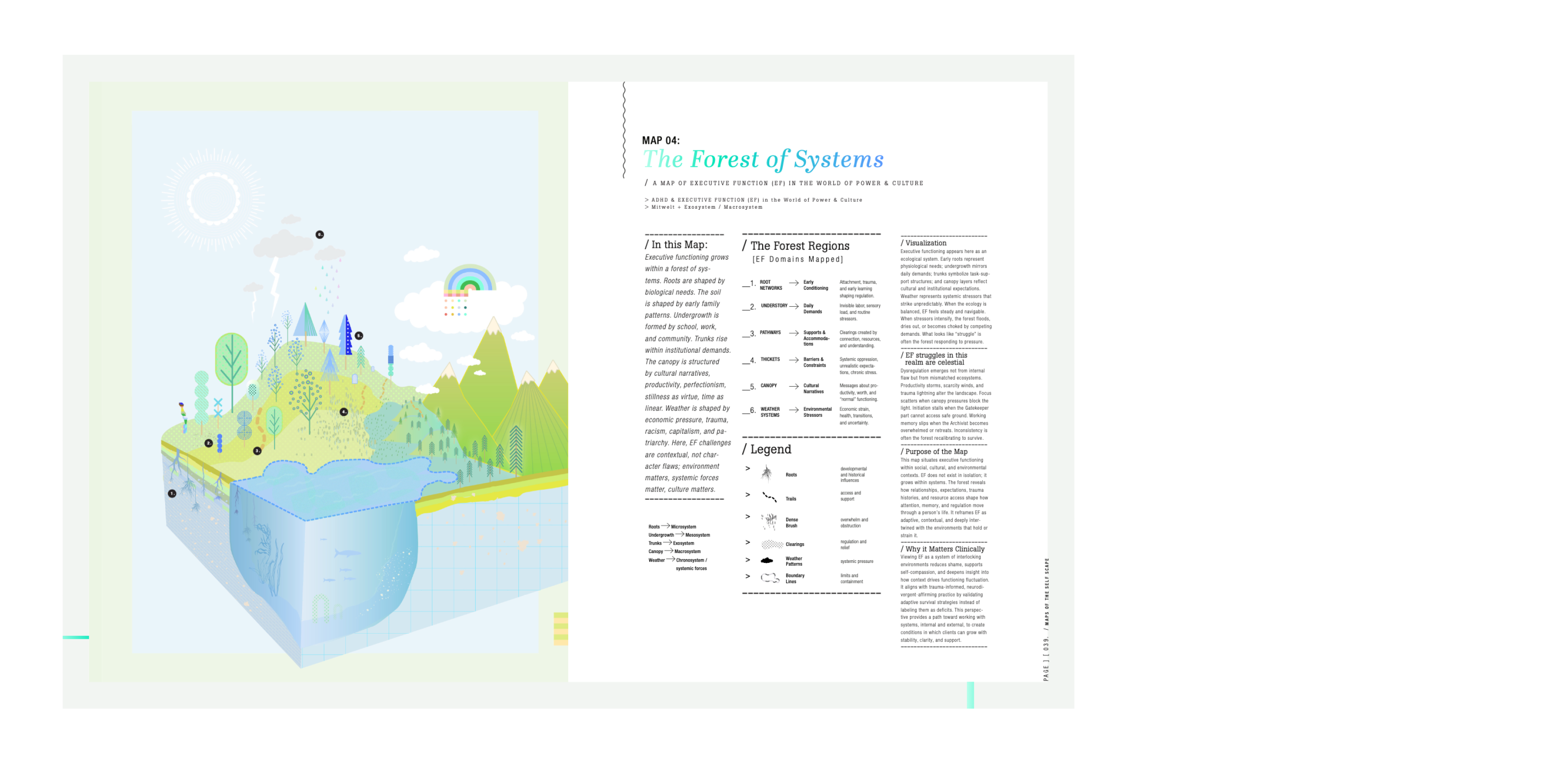
Maps of the Self-Scape is one of the clearest
examples of how I bring counseling and visual communication together.
It is both a conceptual and design-based framework for understanding
executive functioning, inner experience, systems, self-story, and the
ecology of daily life.
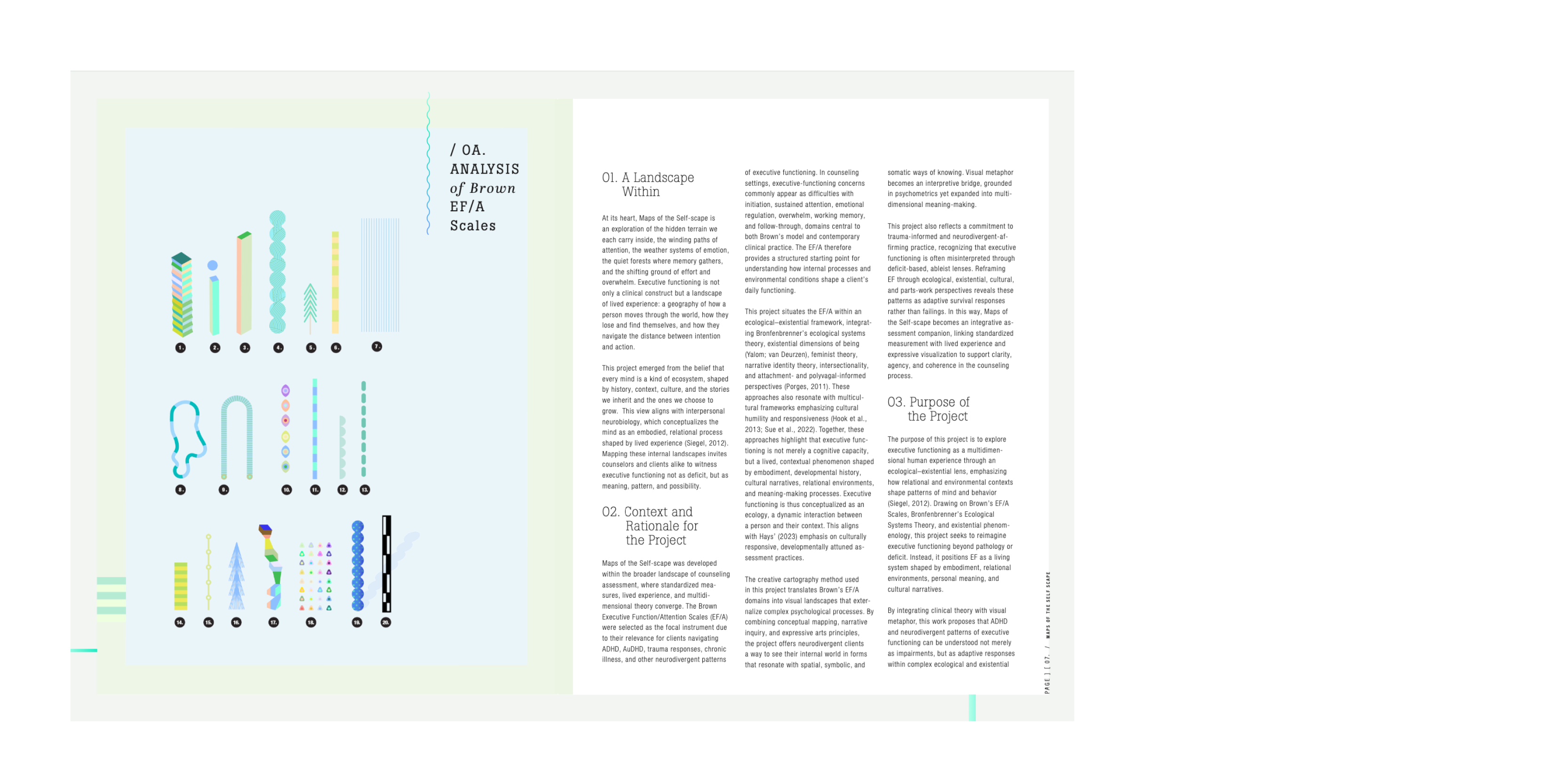
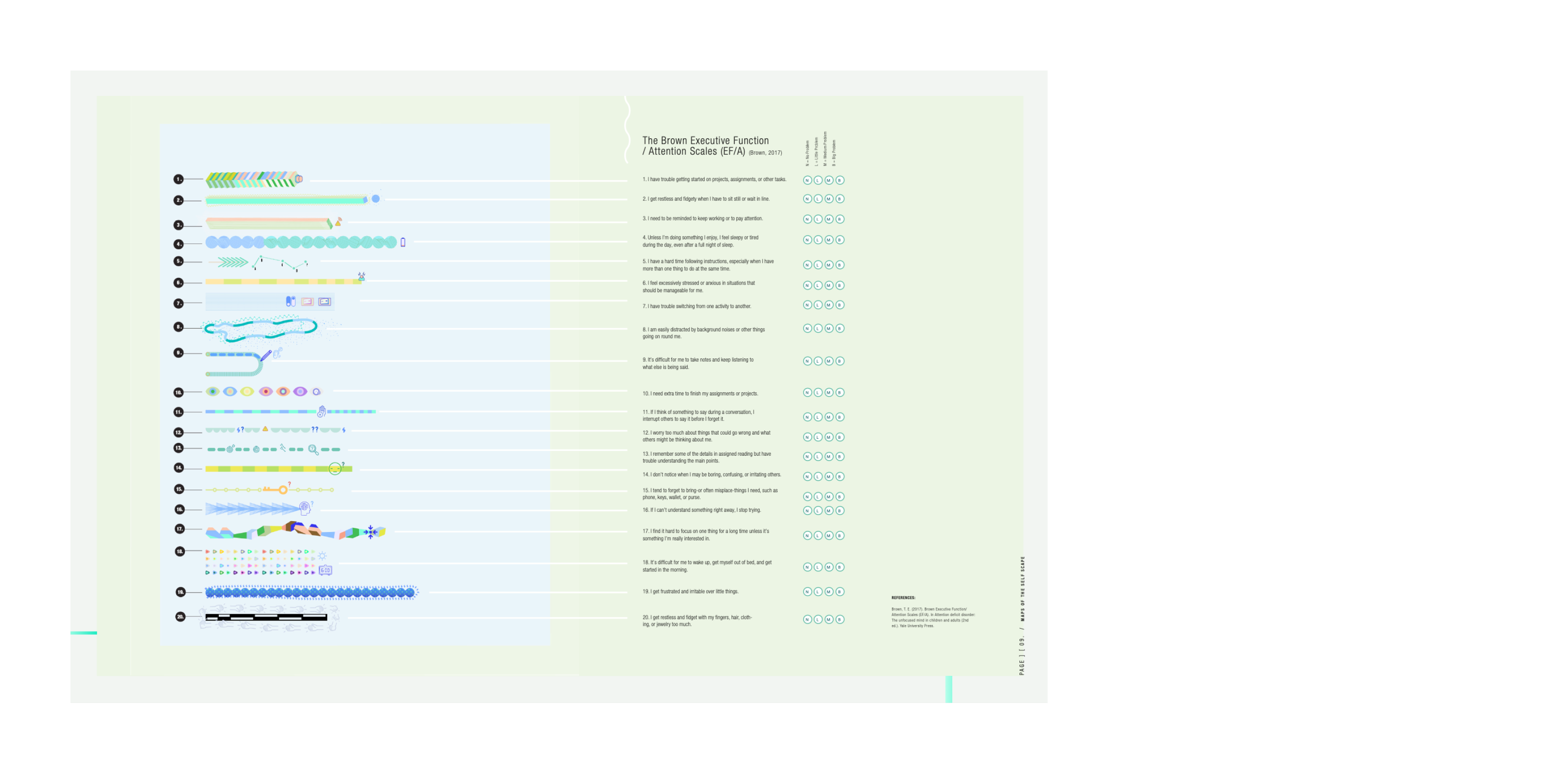
The project draws from counseling theory, ADHD-informed frameworks, existential reflection, ecological systems thinking, and visual mapping practices. Rather than flattening people into symptoms, it aims to offer a more spacious and humane way of understanding complexity.
This work reflects what most interests me as a clinician and maker: helping people see patterns, relationships, burdens, strengths, and internal structures with greater clarity and compassion.
Sometimes a map does not solve the terrain, but it helps us stop feeling lost inside it.
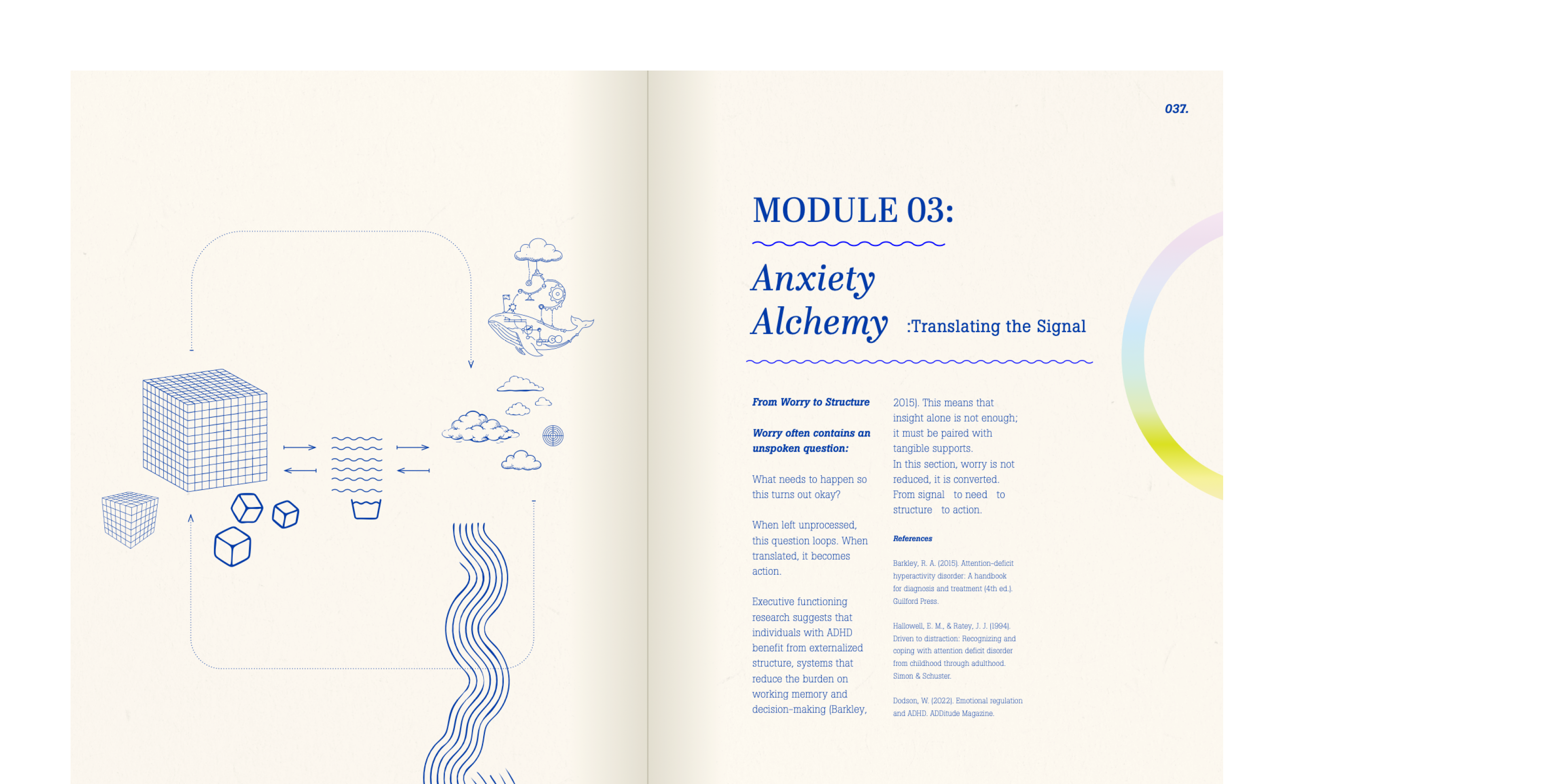
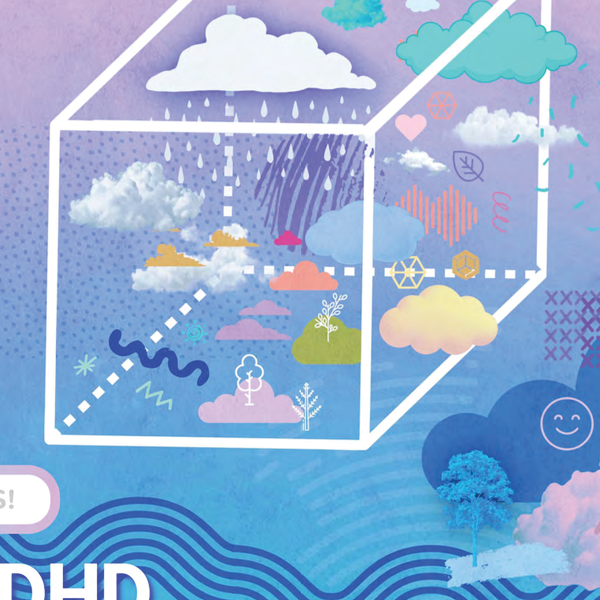
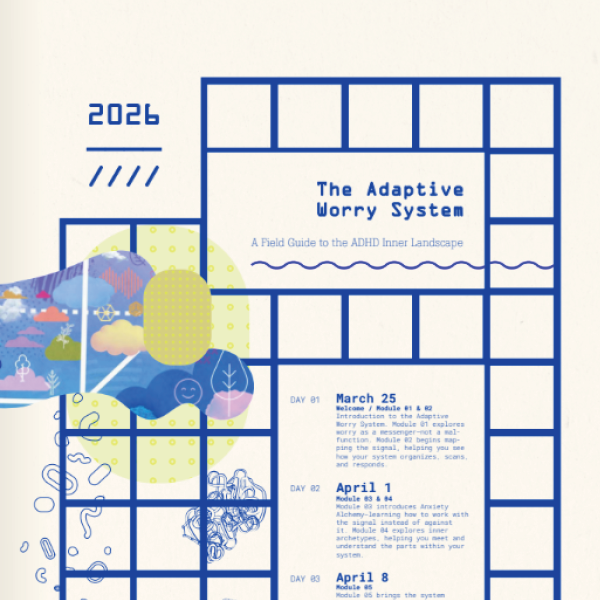
The Adaptive Worry System reframes anxiety as an intelligent, protective process rather than something to eliminate. Instead of treating worry as a problem, this framework explores how different forms of worry signal underlying needs, patterns, and internal dynamics. Drawing from ADHD-informed perspectives, parts work, and emotion regulation theory, the system differentiates between types of worry, overthinking, urgency, avoidance, perfectionism, and links them to specific internal roles and executive functioning challenges. The goal is not to remove worry, but to translate it. To move from reactivity toward understanding, and from overwhelm toward structured, compassionate response. This framework is designed for use in both individual work and psychoeducational settings, offering a bridge between insight and actionable support. Worry is not the enemy. It is information waiting to be understood.
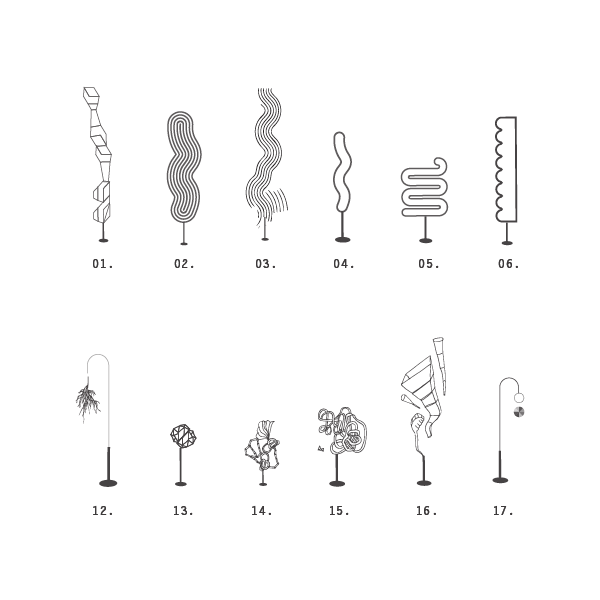
Emotive Organs is a conceptual and visual framework that externalizes emotional experience into symbolic, body-based forms. Each “organ” represents a different emotional function, such as protection, attachment, fear, or longing, allowing clients to relate to their inner world with greater clarity and distance. Influenced by parts work, somatic theory, and expressive arts practices, this model invites exploration through image, metaphor, and sensation rather than language alone. Emotions are not treated as abstract states, but as living systems with roles, rhythms, and relational patterns. By giving form to what is often difficult to name, Emotive Organs supports emotional awareness, regulation, and self-connection in a way that feels intuitive and experiential. This work is especially useful for clients who process visually, somatically, or symbolically, and for those navigating complex or layered emotional experiences. Sometimes we understand ourselves more clearly when we can see what we feel.
Visual tools can help therapeutic insight become more memorable,
compassionate, and usable. I’m especially interested in materials that
support trauma-informed, neurodivergent-affirming, and relational clinical work.